April 7, 2024

pic by https://pocketpharma.pk/product/xib-syrup/

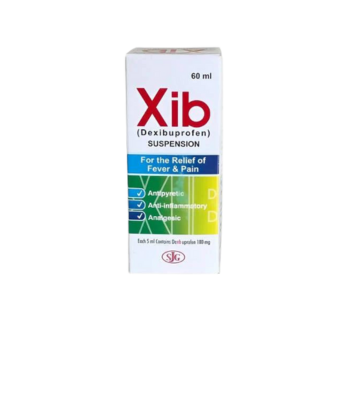
Xib Syrup Uses and Side Effects

Doctors often recommends Xib syrup for the patients with respiratory conditions. Below we have discussed it’s Uses and side effects. Manufactured by :    SJ & G Fazul Ellahie (Pvt.) Ltd. Dosage As directed by the Doctor. Ingredients Some common ingredients are It contains Ambroxol Hydrocholride as its active ingredient, which helps in mucolytic action( it thins and loosens mucus in respiratory tract. Xylitol: xylitol is a natural sugar alcohol. Herbal extract: many herbal extract are included in this syrup to boost immune system like Such as echinacea, elderberry, and astragalus. Vitamin and minerals: This syrup includes vitamin C, Vitamin D and zinc. Xib Syrup Uses This syrup commonly used to boost the immune system. Helps in benefiting oral health by preventing growth of bacteria. It also lower the chances of tooth decay. It includes various minerals such as vitamin B that helps in boosting energy level. Side Effects of Xib Syrup Side effects are given below Nausea and vomiting: You may experience vomiting and Nausea. Diarrhea: Diarrhea is also one of the side effect of this syrup. Allergic reaction: Experiencing allergic reactions like swelling of face, lips or throat. headache: You may experience headache as a side effect of the Xib syrup. Visit Healthaea.com for more health related articles.
Xib Syrup Uses and Side Effects Read More »

Image by brgfx on Freepik

Stroke Symptoms and Treatment

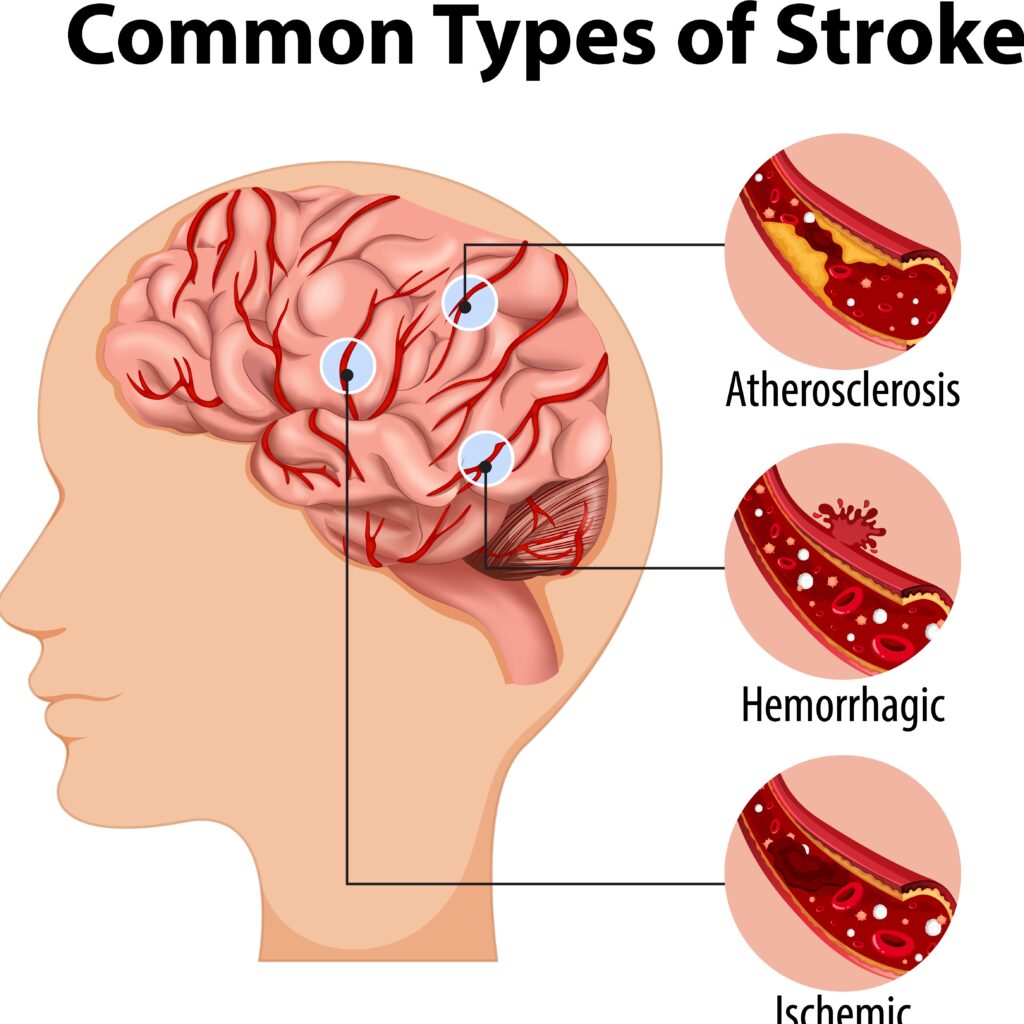
Introduction The blockage or improper supply of blood flow to brain due to damage in cerebral-blood vessels is called Stroke. Because of the blockage of blood flow to the brain results in shortage of oxygen and nutrients to the brain tissues, due to which brain cells start dying. Types There are two types. 1.Ischemic stroke less supply of blood to brain cells cause ischemic stroke. This occurs due to narrowness or blockage of blood vessels in brain cells. So brain cells does not receive required amount of blood and oxygen which results in death of nerve cells. Types of Ischemic strokes There are further two types. a. Wholly Ischemic In this type blood supply to particular brain part is completely blocked and results in the paralysis of muscles. b. Transient ischemic Stroke In this type blood supply to brain cells is partly blocked and results in temporary paralysis of the muscles occurs which controlled by such brain cells. 2. Hemorrhagic Stroke: This type results from rupturing of blood vessels in brain. This rupturing of blood vessels occurs when there is a high blood pressure and weak spots in blood vessels-walls. ‘ Symptoms of Stroke: Numbness and weakness of the face arm and leg. Trouble in speaking or understanding speech. Trouble in one or both eye( have blurred or black vision). Confusion and trouble in walking. Dizziness and  severe headache. Non- coordinated muscular movements.(loss of balance). Diagnosis To determine the most appropriate treatment for stroke, several tests are used including blood tests, ECG,MRI,CT-scan.   Treatment of Stroke I.V. injection of tissue plasminogen activator. This drugs dissolve the clot or thrombus. Aspirin is administrated orally as it makes the blood thin. Drugs are given which lower down the blood pressure. Thrombolytic drugs are given. You can use Heparin and Warfarin (blood thinners) as anticoagulants that helps in stopping blood from clotting. Physiotherapy is very much necessary. In severe stroke the surgery is advised.   Visit Healthaea.com for more health related articles

Stroke Symptoms and Treatment Read More »

Scroll to Top