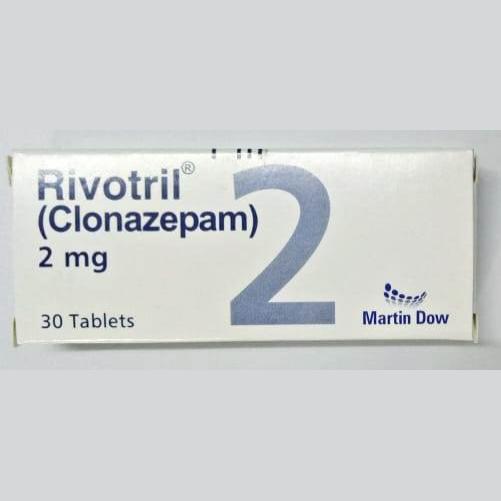
Rivotril Tablet 2mg: Uses, Dosage, Side Effects and Precautions
Introduction Rivotril tablet is a benzodiazepine that works by calming the brain and nerves. It enhances the effects of a natural chemical in the body called Gamma-aminobutyric acid (GABA), which helps reduce anxiety, prevent seizures, and control panic attacks. The 2mg dosage is typically prescribed for moderate to severe symptoms, particularly when lower doses are not effective. How does Rivotril Tablet work? Rivotril tablet works by increasing the activity of GABA, a neurotransmitter that inhibits excessive brain activity. This action helps to calm the nervous system, making it effective for treating panic disorders, seizures, and anxiety. The 2mg dose is often used in cases where symptoms are more intense and require stronger intervention. Rivotril tablet uses Rivotril tablet is used for various medical conditions: Panic Disorders: This medication is effective in treating panic disorders, and reducing the frequency and severity of panic attacks. Seizure Disorders: It is used to treat certain types of seizures, such as absence seizures, myoclonic seizures, and Lennox-Gastaut syndrome, helping to control abnormal electrical activity in the brain. Anxiety Disorders: It is also prescribed for generalized anxiety disorder (GAD) and social anxiety disorder (SAD), where it alleviates symptoms of excessive worry, tension, and nervousness. How to use Rivotril tablet? Rivotril tablet 2mg is taken orally, typically one to three times a day as prescribed by a healthcare provider. It can be taken with or without food. Swallow the tablet whole with water, without crushing or chewing it, as this can alter the effectiveness of the medication. It is important to follow your doctor’s instructions closely. Do not increase the dose, take it more frequently, or use it for longer than prescribed. Misuse of Rivotril tablet can lead to addiction, overdose, or severe side effects. Rivotril tablet Dosage Starting Dose: For panic disorders, the typical starting dose is 0.25 mg twice daily, which may be gradually increased to 2mg per day or more based on the patient’s response. Seizure Disorders: Dosage varies depending on the type of seizure and patient needs, often starting at a lower dose and titrating up to an effective level. Missed Dose: If you miss a dose of Rivotril tablet, take it as soon as you remember. If it’s near the time of your next dose, skip the missed dose and resume your regular dosing schedule. Do not double the dose to catch up. Overdose: An overdose of Rivotril tablet can be serious, leading to symptoms such as extreme drowsiness, confusion, impaired coordination, reduced reflexes, and potentially life-threatening respiratory depression. If an overdose is suspected, seek emergency medical attention immediately. Rivotril tablet Side Effects Common side effects Drowsiness: Due to its sedative effects, drowsiness is a common side effect. Dizziness: Some users may experience lightheadedness or dizziness. Coordination Issues: Rivotril tablet can affect muscle coordination, leading to clumsiness or unsteady movements. Memory Problems: Difficulty with concentration and memory can occur. Serious Side Effects: These include severe allergic reactions (rash, itching, swelling, dizziness, trouble breathing), mood changes (depression, suicidal thoughts), and respiratory difficulties. If you experience any severe or unusual symptoms, contact your doctor immediately. Warning and Precautions Before taking Rivotril tablet 2mg, inform your healthcare provider about your medical history and any current conditions, particularly: Liver and Kidney Disease: If you have liver and kidney issues use it with caution. Respiratory Conditions: Since it can depress breathing, it should be used cautiously in individuals with conditions like asthma or chronic obstructive pulmonary disease (COPD). Mental Health Issues: Those with a history of depression, mood disorders, or substance abuse should discuss potential risks with their doctor. Pregnancy and Breastfeeding: It should be used during pregnancy only if necessary, as it can harm the unborn baby. It also passes into breast milk, so breastfeeding mothers should consult their doctor before use. Drug Interactions This medication can interact with other medications, potentially leading to dangerous effects. Common interactions include: CNS Depressants: Combining Rivotril tablet with other central nervous system depressants, such as alcohol, opioids, or other benzodiazepines, can increase the risk of severe drowsiness, breathing problems, and even coma. Antidepressants: Certain antidepressants, particularly SSRIs and SNRIs, may interact with the Rivotril tablet, altering its effectiveness and side effect profile. Antihistamines: Medications used to treat allergies and colds can increase the sedative effects of this tablet Anticonvulsants: Other seizure medications may require dosage adjustments when taken with Rivotril tablet to avoid excessive sedation or reduced seizure control. Always inform your healthcare provider about all the medications and supplements you are taking to avoid interactions. Addiction, Dependence, and Withdrawal Rivotril tablet has the potential for addiction and dependence, especially with long-term use or at higher doses. Dependence means your body becomes accustomed to the drug, and stopping it suddenly can lead to withdrawal symptoms, such as increased anxiety, restlessness, tremors, and seizures. To minimize the risk, this medication should be used at the lowest effective dose for the shortest duration possible. Withdrawal: If you need to stop taking Rivotril tablet, your doctor will typically recommend gradually reducing the dose to avoid withdrawal symptoms. Withdrawal from this medication can be challenging, with symptoms ranging from mild anxiety to severe seizures. It is essential to follow your doctor’s instructions carefully when discontinuing this medication. Off-Label Uses of Rivotril Tablet While Rivotril tablet is primarily prescribed for panic disorders, anxiety, and seizures, it is sometimes used off-label for other conditions, including: Restless Legs Syndrome (RLS): It may be used to alleviate the uncomfortable sensations and urge to move the legs, especially during sleep. Sleep Disorders: Due to its sedative properties, this medication is occasionally prescribed for short-term treatment of insomnia or other sleep disturbances. Bipolar Disorder: In some cases, this tablet is used as an adjunctive treatment to help manage anxiety and agitation in individuals with bipolar disorder. Storage Rivotril tablet should be stored at room temperature, away from moisture and heat. Keep it out of reach of children and pets. Proper disposal of unused or expired medication is important. Do not flush it down the toilet or pour it down a drain unless
Rivotril Tablet 2mg: Uses, Dosage, Side Effects and Precautions Read More »