Author name: Muhammad waseem

welcome to Healthaea.

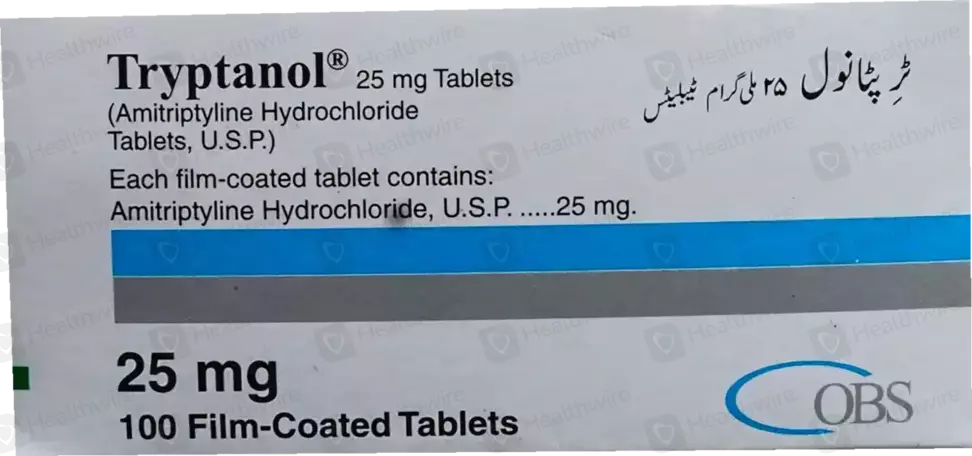
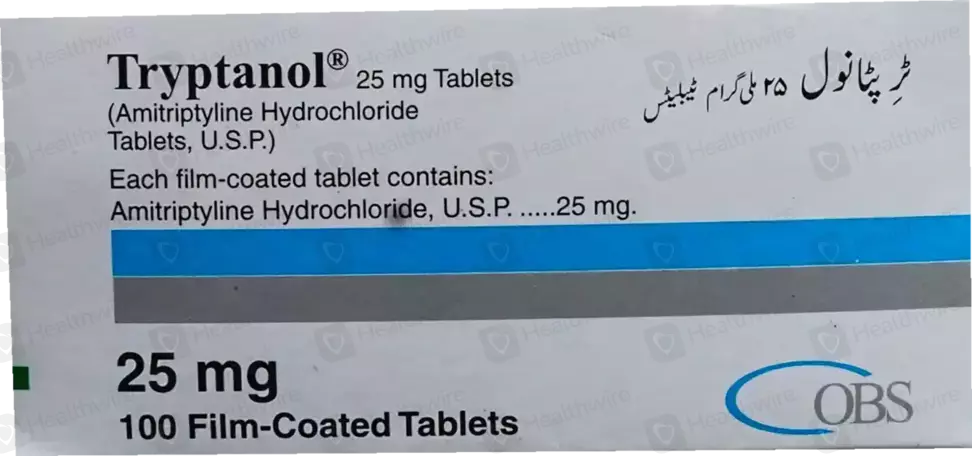
tryptanol tablet

Tryptanol Tablet: Uses, Dosage, Side Effects, and Warnings

Introduction Tryptanol tablet is a medication primarily used to treat depression, though its uses extend far beyond that. It belongs to a class of drugs called tricyclic antidepressants (TCAs). These were some of the first medications developed to treat depression, and while newer antidepressants (like SSRIs) are now more commonly used, amitriptyline remains a valuable tool in managing a variety of conditions. How Does Tryptanol Tablet Work? Mechanism To understand how amitriptyline works, let’s take a quick detour into the world of neurotransmitters. Neurotransmitters are chemicals in the brain that help transmit signals between nerve cells. Two key neurotransmitters involved in mood regulation are **serotonin** and **norepinephrine**. In people with depression or certain pain conditions, these neurotransmitters can be out of balance, leading to feelings of sadness, low energy, or discomfort. Amitriptyline works by inhibiting the reuptake of serotonin and norepinephrine. In simpler terms, it helps keep these neurotransmitters around longer in the brain, which can improve mood and help relieve pain. Think of neurotransmitters like traffic that flows between different parts of the brain. Amitriptyline acts as a traffic controller, making sure that the cars (i.e., neurotransmitters) stay on the road longer and keep the flow smooth, helping you feel better emotionally and physically. Uses Of Tryptanol Tablet Depression Tryptanol tablet was originally developed to treat depression, and it still serves this purpose. It can help boost mood, improve energy levels, and enhance overall functioning. For people dealing with moderate to severe depression, amitriptyline can be a key part of their treatment plan. Anxiety Although it’s not the first-line treatment for anxiety, it can be helpful in certain cases, especially when anxiety is accompanied by depression. The medication’s calming effects help reduce feelings of tension and unease. Chronic Pain Management One of the standout benefits of amitriptyline is its ability to treat chronic pain. This is particularly useful for conditions like fibromyalgia, neuropathic pain, and migraines. If you’ve ever had a condition where pain seemed to linger or couldn’t be fully explained by an injury, amitriptyline might be part of the solution. It’s thought to work by altering the way the brain processes pain signals, reducing sensitivity to pain. Sleep Disorders Tryptanol tablet is also prescribed off-label to help with insomnia. Its sedative properties make it useful for people who struggle with sleep, particularly when insomnia is linked to pain or depression. It’s often used in lower doses to help people fall asleep and stay asleep. Dosage: Take it as prescribed by the doctor. Overdose If you have taken more than the recommended. Seek medical help. Missed Dose If you have missed the dose, take it as soon as possible if the time to the next dose is near, don’t double the dose to cover the missed one becuase it may cause serious health problems. Off-Label Uses of Tryptanol tablet While it’s most commonly known for treating depression and pain, it has a range of off-label uses that you may not have heard about: Migraine Prevention If you suffer from frequent migraines, Tryptanol can help reduce the frequency and severity of attacks. It’s not a quick fix like painkillers, but it works gradually over time, helping to “reset” the brain’s pain pathways. Irritable Bowel Syndrome (IBS) Many people with IBS experience constant abdominal pain, cramps, and digestive issues. Amitriptyline is sometimes prescribed in low doses to help manage these symptoms, especially when there is a strong component of pain and discomfort. It may help calm the nervous system that contributes to gut issues. Post-Traumatic Stress Disorder (PTSD) In some cases, amitriptyline is used to help manage symptoms of PTSD. It can reduce nightmares, anxiety, and depression that often accompany trauma-related disorders, though it’s generally used when other medications haven’t been effective. Enuresis (Bedwetting) in Children Although less common, amitriptyline can be prescribed for children who experience bedwetting, especially when the child also suffers from anxiety or other emotional challenges. The medication helps reduce the number of wet nights by impacting the brain’s signals related to bladder control. Side Effects Of Tryptanol Tablet Drowsiness or Sedation: This is one of the most common side effects. While it can be helpful for sleep, it can also make you feel groggy during the day. Some people experience this effect more than others. Dry Mouth: Trytpanol can reduce saliva production, leaving you with a dry mouth. Keeping hydrated or sucking on sugar-free candies can help alleviate this. Weight Gain: Some people notice an increase in appetite or weight gain over time. If this becomes a concern, your doctor may suggest lifestyle changes or try a different medication. Constipation: This is a side effect that’s common with tricyclic antidepressants. Staying active and eating a high-fiber diet can help manage this. Blurry Vision or Dizziness: It’s also not uncommon to feel dizzy or have blurred vision, especially when standing up quickly. If this happens, take caution when moving around. Real-Life Scenario: A Day in the Life with Tryptanol Tablet Imagine you’re someone who’s been dealing with chronic migraines for years. You’ve tried various over-the-counter painkillers and even some prescribed medications, but they never quite hit the mark. You talk to your doctor, and they suggest trying amitriptyline as a preventive measure. You start taking it at a low dose before bed, and within a few weeks, you notice something surprising: your migraines are occurring less frequently, and when they do hit, they’re not as severe. You also realize that you’re sleeping better at night, which, in turn, helps you feel more energetic during the day. It’s not a cure-all, but it’s a step in the right direction, and it’s improving your quality of life in ways you didn’t expect. Advice For Patients Taking Tryptanol Tablet Take It at Night Since amitriptyline can cause drowsiness, it’s usually taken in the evening before bed. This helps you avoid daytime fatigue and allows the medication to work while you sleep. Be Patient Like many medications that impact mood or pain, amitriptyline can take a few weeks to

Tryptanol Tablet: Uses, Dosage, Side Effects, and Warnings Read More »

Vitamin C Cream

Vitamin C Cream: Benefits, Ingredients and How To Apply It?

  Vitamin C cream is a popular skincare product that many people use to improve their skin’s health and appearance. Packed with antioxidants, it offers multiple benefits that can help brighten your skin, reduce signs of aging, and protect against environmental damage. What Is Vitamin C Cream? Vitamin C cream is a product that we apply directly to the skin. It contain Vitamin C, a powerful antioxidant. It is designed to be applied directly to the skin to help combat various skin issues, such as dullness, dark spots, and fine lines. Unlike serums, which are lightweight, this cream is thicker and provide added hydration. Ingredients In Vitamin C Cream: L-Ascorbic Acid: This is the purest form of Vitamin C and is highly effective but can be more unstable. Magnesium Ascorbyl Phosphate: A more stable form of Vitamin C that is suitable for sensitive skin. Ferulic Acid: Often included to increase the effectiveness of Vitamin C and stabilize the formula. Benefits of Vitamin C Cream 1. Brightens the Skin Vitamin C cream helps reduce dark spots and hyperpigmentation, leading to a more even skin tone. Regular use can make your skin look brighter and more radiant. 2. Fights Free Radicals The antioxidants in thiscream neutralize free radicals caused by exposure to the sun and pollution. This helps reduce damage to the skin and prevents premature aging. 3. Boosts Collagen Production Collagen is a protein that keeps your skin firm and youthful. This cream stimulates collagen production, which helps to reduce the appearance of fine lines and wrinkles. 4. Provides Hydration Most Vitamin C creams include moisturizing ingredients like hyaluronic acid or glycerin. This combination helps the skin stay hydrated, giving it a smoother and more supple feel. 5. Improves Skin Texture Regular use of Vitamin C cream can help improve your skin’s texture. It minimizes rough patches, making your skin appear smoother and healthier. How to Use Vitamin C Cream? Cleanse Your Face: Start with a clean face to ensure that your skin can absorb the cream properly. Apply Vitamin C Cream: Take a small amount of the cream and apply it evenly to your face and neck. Layer with Other Products: You can apply a moisturizer on top if your skin needs extra hydration. Use Sunscreen: Always apply sunscreen after using Vitamin C cream in the morning, as Vitamin C can make your skin more sensitive to UV rays. When to Apply Vitamin C Cream: Morning Routine: Using Vitamin C cream in the morning can help protect your skin throughout the day. Evening Routine: You can also apply it at night to boost skin repair while you sleep. Packaging Choose Vitamin C creams that come in dark or opaque containers. This helps protect the cream from light and air, which can cause it to break down and lose its potency. Concentration: For best results, look for a Vitamin C cream with a concentration between 10% and 20%. Higher concentrations can be too strong and cause irritation for some skin types. Tips for Getting the Best Results Patch Test First: Before adding a new Vitamin C cream to your routine, apply a small amount to a patch of skin to check for any reactions. Consistency Is Key: Use Vita C cream regularly to see long-term benefits. Store Properly: Keep your thiscream in a cool, dark place to prevent it from oxidizing. Potential Side Effects Most people can use Vita C cream without any problems, but some may experience minor side effects like: Mild Irritation: Redness or a tingling sensation, which is common when starting out. Increased Sensitivity: The skin may become more sensitive to the sun, so applying sunscreen is crucial. If you notice persistent irritation, reduce usage to every other day or consult a dermatologist. Disclaimer: This article is for information purposes only. Don’t use this product without the consultation of Dermatologist. Visit Healthaea.com for more health related articles

Vitamin C Cream: Benefits, Ingredients and How To Apply It? Read More »

Immediate A7 MaxAir

What is Immediate A7 MaxAir? How To Use it?

What is Immediate A7 MaxAir? Immediate A7 MaxAir is a high-quality filtration system that cleans or filters indoor air from pollutants, dust viruses, and bacteria. How Does the Immediate A7 MaxAir Work? It works by removing up to 99% airborne particles which include dust, pollen, viruses, bacteria, and pollutants by utilizing HEPA (High-Efficiency Particulate Air) filters. Following are the steps that explain how it works. Air Intake: In this step take air from the surroundings through well-positioned vents Multi-stage Filtration: In this step, the air passes from so many layers of filtration which includes pre-filters that remove larger particles. UV-C Light Technology: One of its models is UV-C light. It reduces the effect of bacteria and viruses and further helps in filtering the air. Clean Air Release: After passing so many layers and completing the process it releases the cleaned and filtered air to the room. Why Clean Indoor Air is Important? Clean and filtered air is very important for health. If your surrounding air is not clean it may lead to different health problems which include respiratory problems, allergies, and fatigue. The Immediate A7 MaxAir helps to clean your surrounding air and keep you healthy from major health problems. Key Benefits of Clean Indoor Air: Reduces Respiratory Issues: Cleaner air can alleviate symptoms of asthma and other respiratory conditions. Minimizes Allergens: Effective filtration helps reduce allergens, benefiting those with allergies or sensitivities. Enhances Cognitive Function: Studies show that poor air quality can negatively impact concentration and cognitive function. Improves Overall Well-being g: Clean air contributes to a sense of well-being and comfort, making spaces more enjoyable. Enhanced Comfort with the Immediate A7 MaxAir System The Immediate A7 MaxAir not only improves air quality but also enhances overall comfort. Here’s how: Humidity Control: It maintains a normal level of humidity which can help with dry skin, throat irritation, and respiratory discomfort. Improved Air Circulation: It Improves ventilation and keeps stale air from lingering, resulting in a revitalizing and new indoor environment. Noise Reduction: it works very quietly, the A7 MaxAir allows users to enjoy clean air without disturbing you. Reducing Airborne Illnesses In an era where health is paramount, the Immediate A7 MaxAir is a crucial tool for reducing the transmission of airborne illnesses. The system’s high-efficiency particulate air (HEPA) filters capture pathogens, effectively lowering the chances of sickness spreading, and contributing to a healthier living environment. This feature is especially important in high-traffic areas like homes, schools, offices, and hospitals. Importance in Public Spaces: Schools: Protects students and staff by improving air quality and reducing the risk of illness. Offices: Promotes employee health and productivity by ensuring clean air. Healthcare Facilities: Essential for reducing infection risks in hospitals and clinics. Eco-Friendly and Energy Efficient The Immediate A7 MaxAir is designed with sustainability in mind. It operates efficiently, consuming minimal energy while delivering top-notch performance. This eco-friendly design aligns with broader efforts to promote sustainability and reduce energy consumption. Energy-Efficient Features: Smart Sensors: The system may include sensors that adjust operation based on air quality levels, optimizing energy use. Low Power Consumption: Designed to operate on low energy, reducing overall utility costs. By choosing the A7 MaxAir, users can enjoy clean air while also caring for the planet. Why Choose the A7 MaxAir Air Filtration System? The are many reasons that you must choose Immediate A7 MaxAir as it offers many benefits for both individuals and businesses: Improved Air Quality: One of the biggest reasons to choose this system is that it cleans your indoor air helps remove  allergens, pollutants, and dust from the air, and improves air quality Enhanced Comfort: It makes your indoor environment pleasant by maintaining ideal humidity and air circulation. Energy Efficiency: Its eco-friendly design makes it affordable User-Friendly Features: Many models include smart controls and remote operation, making it easy to use. Is the Immediate A7 MaxAir environmentally friendly? Yes, it is environmentally friendly because it works with high energy efficiency, and reduces air consumption.

What is Immediate A7 MaxAir? How To Use it? Read More »

How to apply ceroxinin

How To Apply Ceroxinin Safely At Home

Ceroxinin is quickly gaining popularity in skincare for its remarkable benefits, from enhancing skin texture to supporting long-lasting hydration. This natural ingredient can transform your skincare routine, especially if you aim for smooth, radiant, and youthful-looking skin. In this article, we explain the essential steps, best practices, and tips on how to apply Ceroxinin effectively. What is Ceroxinin? Ceroxinin is a natural product used in skincare products for its benefits in improving skin health. It is Known for enhancing skin texture and elasticity, Ceroxinin supports cell renewal and hydration, which can make the skin look smoother, firmer, and more resilient. Its properties make it suitable for various skin types, including sensitive skin, as it helps to soothe irritation and provide long-lasting moisture. Understanding Ceroxinin and Its Benefits for Skin Ceroxinin is a naturally-derived ingredient commonly used in skincare products that aim to improve hydration, support cell renewal, and enhance skin elasticity. It’s particularly beneficial for those who want to improve their skin’s firmness, tone, and texture. Key Benefits of Ceroxinin: Increases Skin Elasticity: Boosts the skin’s resilience, making it appear more firm and youthful. Supports Natural Cell Turnover: Promotes cell renewal, revealing smoother, healthier skin over time. Reduces Fine Lines and Wrinkles: Consistent use may encourage collagen production, reducing visible signs of aging. Long-Lasting Hydration: Acts as an emollient, helping to lock in moisture and maintain hydration. Calms Irritated Skin: Contains anti-inflammatory properties, making it ideal for sensitive or reactive skin. Step-by-Step Guide on How to Apply Ceroxinin for Best Results Achieving optimal results with Ceroxinin requires correct application. Follow these steps to maximize the product’s effectiveness and enhance your skin’s appearance. Step 1: Start with a Clean Face Begin by thoroughly cleansing your skin. Use a gentle cleanser that removes impurities, oil, and makeup without stripping your skin. Clean skin allows Ceroxinin to penetrate effectively. Step 2: Apply a Gentle Toner After cleansing, apply a toner suitable for your skin type. A toner helps restore the skin’s natural pH balance and removes any leftover dirt. This preps the skin for better absorption of Ceroxinin. Step 3: Dispense a Small Amount of Ceroxinin Take a small, pea-sized amount of Ceroxinin. Avoid using too much, as a little goes a long way with this potent ingredient. Using the right amount prevents overloading your skin. Step 4: Apply Ceroxinin to the Skin Using clean fingers, dab Ceroxinin gently onto your skin. Begin at the center of your face and apply in upward, outward strokes. This motion helps with absorption and reduces strain on the skin. Step 5: Allow Time for Absorption Let Ceroxinin fully absorb before moving to the next step. This usually takes a few minutes. Refrain from touching your face to allow the product to settle effectively. Step 6: Seal with a Moisturizer Lock in the benefits of Ceroxinin with a lightweight, non-comedogenic moisturizer. This helps maintain hydration and ensures Ceroxinin stays on your skin longer. Optimal Times to Apply Ceroxinin When and how often you apply Ceroxinin plays a significant role in the product’s effectiveness. Morning: Applying Ceroxinin in the morning can boost skin protection throughout the day. If used during the day, always follow with sunscreen. Night: Ceroxinin is most effective at night when the skin naturally repairs itself. How Often Should You Apply? Start with Ceroxinin 2-3 times a week to allow your skin to adjust. After a few weeks, you may gradually increase the frequency, depending on your skin’s tolerance. Consistency is key to achieving noticeable results. Avoid Mixing Ceroxinin with Certain Ingredients Ceroxinin generally works well with most products but should be used cautiously around certain ingredients. Avoid pairing it with strong acids or retinoids, which could cause irritation. Always patch-test any new combination to ensure skin compatibility. Storing Ceroxinin Properly to Maintain Effectiveness To ensure Ceroxinin remains effective, store it correctly. Follow these storage tips: Keep it Cool and Dry: Store in a cool, dark place away from direct sunlight. Seal Tightly: Ensure the container is tightly sealed to prevent oxidation. Avoid Humidity: High humidity may affect product stability, so keep it in a dry spot. Common Mistakes to Avoid When Using Ceroxinin Avoid these common errors to get the most out of Ceroxinin: Using Too Much Product: Overuse may cause irritation and diminish its effectiveness. Skipping Sunscreen: Sunscreen is essential, especially if applying Ceroxinin during the day. Forgetting Moisturizer: A moisturizer helps seal in Ceroxinin’s benefits and keeps skin hydrated. Signs That Ceroxinin is Working With regular use, you should start noticing these positive changes: Smoother Skin Texture: Skin feels softer and more refined. Increased Firmness: Skin appears firmer and more resilient. Reduced Fine Lines: Noticeable reduction in fine lines and wrinkles with continued use. Diagram: Step-by-Step Ceroxinin Application Process mermaid Copy code graph TD; A[Start with a Clean Face] –> B[Apply a Gentle Toner]; B –> C[Dispense a Small Amount of Ceroxinin]; C –> D[Apply Ceroxinin to the Skin]; D –> E[Allow Time for Absorption]; E –> F[Seal with a Moisturizer]; When to Consult a Dermatologist If you experience prolonged irritation, redness, or sensitivity, consider consulting a dermatologist. They can provide tailored advice on whether Ceroxinin is appropriate for your skin type. Expected Timeline for Seeing Results Most people begin seeing visible improvements within 4-6 weeks with consistent use. Patience is essential for optimal results, as skincare benefits compound over time. Tips for Maximizing Ceroxinin’s Effects Stay Consistent: Adhering to a regular schedule is key to success. Hydrate Well: Drinking plenty of water supports skin health from within. Maintain a Balanced Diet: Nourishing your body with a balanced diet enhances skin vitality.

How To Apply Ceroxinin Safely At Home Read More »

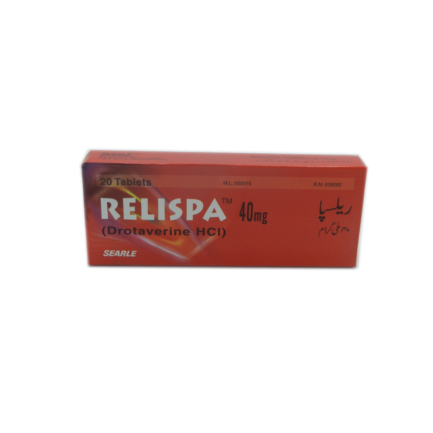
Relispa Tablet

Relispa Tablet: Uses, Dosage, Side Effects, And Warnings

Introduction Relispa Tablet is prescribed to treat or relieve muscle spasms by preventing an enzyme called Phosphodiesterase. It is useful for reducing pain and discomfort caused by various conditions. It contains Drotaverine, an antispasmodic agent. Generic Name Drotaverine Ingredients It contains Drotaverine as an active ingredient which is an antispasmodic agent. It contains 40mg of Drotaverine. How Does Relispa Tablet Work? Mechanism of Action This medication works by inhibiting an enzyme called Phosphodiesterase. By preventing Phosphodiesterase enzyme the level of cyclic AMP(Cyclic adenosine monophosphate) increases in muscle cells.  Higher levels of cyclic AMP(Cyclic adenosine monophosphate) result in the relaxation of the smooth muscles in the gastrointestinal and urinary tracts and due to this relaxation of smooth muscles Relispa relieves muscle spasms. What is Relispa Tablet Used For? Uses: Abdominal Pain Relief: It reduces pain from muscle spasms in the stomach and intestines. Many patients use it for conditions like irritable bowel syndrome (IBS) which is a condition that affects the stomach and intestines and other gastrointestinal issues such as Gastritis and Peptic Ulcers. Menstrual Pain: Relispa helps alleviate painful menstrual cramps (dysmenorrhea) by relaxing the uterine muscles. Cyst Management:  it is sometimes used to reduce pain related to breast cysts, providing relief from discomfort caused by muscle spasms around the area. Urinary and Biliary Tract Spasms: It can also relieve pain caused by spasms in the urinary tract or bile ducts. How to Use Relispa Tablet? Administration: Take the Relispa tablet with a full glass of water. It can be taken with or without food, but taking it with food may help reduce stomach upset. Duration: Use it for the prescribed duration. Don’t use it longer than the actual duration as it may cause other health problems. Dosage Take it as prescribed by the doctor. Because the dosage may vary from age to age and depends on the strength of your condition. If the condition is moderate the doctor may prescribe a low dosage otherwise high dosage is recommended for severe conditions. Overdose If you have taken more than recommended. Seek medical help. In case of overdose, you may feel or experience the following symptoms Nausea Vomiting Skin reactions Dizziness Low blood pressure Rapid heartbeat Missed Dose In case you have missed the dose, take it as soon as possible otherwise if the time for the next dose is near don’t double the dose. Because it may cause serious health problems. Side Effects Of Relispa Tablet It is generally well-tolerated, some side effects include: Nausea or Vomiting: Some individuals may experience gastrointestinal upset. Dizziness: A feeling of lightheadedness may occur, particularly when standing up quickly. Allergic Reactions: Rarely, some people may have allergic reactions, such as rashes or itching. Headache: Mild headaches can occur but are usually transient. Dermatitis: You may experience swelling on Face, lips, eyelashes, and tongue Breathing difficulty: You may feel difficulty while breathing. If you experience severe side effects or any signs of an allergic reaction, seek medical attention immediately. Precautions and Warnings Pregnancy and Breastfeeding: Inform the doctor if you are pregnant, or in a breastfeeding era. Relispa tablet should be used cautiously in these situations. Medical History: Inform your doctor if you have liver or kidney issues, as dosage adjustments may be necessary. Drug Interaction: It may interact with other medicines that may lower the effect of Relispa. So inform the doctor about the medications you are already taking. Children and Elderly: Use with caution in these groups, as they may be more susceptible to side effects. Drive Carefully: Drive with caution as it may cause dizziness. Expiry Date: Don’t use it after passing the expiry date. If you have taken it after passing of the expiry date. Seek medical help because it may cause serious health problems. Drug Interactions Relispa tablet may interact with other medications, so it’s essential to inform your healthcare provider about all the drugs you are currently taking, including: Antidepressants: Some antidepressants may enhance the effects of Relispa. Blood Pressure Medications: Relispa may interact with high blood pressure medications. Storage Store it at room temperature. Store it in a dry place Keep it away from moisture and heat. Keep it away from children and pets Disclaimer: This article is for information purposes only. Don’t take it as a medical advice.

Relispa Tablet: Uses, Dosage, Side Effects, And Warnings Read More »

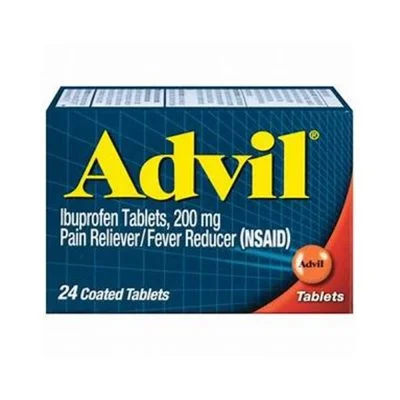
Advil tablet

Advil tablet: Uses, Dosage, Side Effects, and Warnings

Introduction Advil tablet is a Nonsteroidal anti-inflammatory drug (NSAID) that is often recommended by doctors to treat or relieve pain, lower fever, and reduce inflammation. Generic Name Ibuprofen Dosage Form Tablets Ingredients It contains Ibuprofen as an active ingredient. In this medication, the strength of dosage is typically 200mg. How Does Advil Tablet Work? Mechanism: In our body, there are chemicals known as prostaglandins which are responsible for causing inflammation, pain, and fever in our body. This medication prevents the production of these chemicals by inhibiting the production or levels of prostaglandins, Advil helps to relieve symptoms like pain and inflammation. Uses Of Advil Tablet Reduce Inflammation: It reduces inflammation and swelling especially those associated with rheumatoid arthritis and osteoarthritis. It also treats inflammation related to injury. Pain Relief: It is used to treat pain especially mild to moderate headaches and reduce the intensity of migraines. Fever Reduction: Advil reduces fever as well both in children and adults. Dosage Take it as prescribed by a doctor. Overdose If you have taken more than the recommended. Seek medical help. Missed Dose If you have missed a dose take it as soon as possible otherwise don’t double the dose to cover the missed one. Off-Label Uses Using medication for those health conditions for which the medication is not approved officially is known as off-label uses. Active arthritis Acute gout Pericarditis Migraine prevention Side Effects of Advil Tablet Common Side Effects Heartburn Diarrhea or constipation Rash Stomach pain Dizziness Headache Nausea Serious Side Effects Bleeding Sweating Upset stomach, vomiting Experiencing sudden weakness on one side of your body Trouble in understanding speech Pain in the different parts of the body such as the back, jaw, arm, or throat Warnings and Precautions Some warnings and precautions before taking this medication. Take it with caution or under strict guidance from the doctor if you are pregnant or in the breastfeeding era. It may interact with other medications, So Inform the doctor about the medication you are already taking. Inform the doctor about your health history such as Heart problems, Bleeding problems, Kidney or liver problems, Asthma, or High blood pressure. Don’t take it if you are allergic to Advil tablets. Don’t take this medicaiton before or after a Coronary artery bypass graft (CABG) . Drug Interaction Advil tablet may interact with the following medications Blood thinners: Those medicines used to prevent blood clots or increase blood bleeding such as Warfarin, Coumadin, and Jantoven. Corticosteroids: These medicines are used to treat certain inflammatory conditions. Pemetrexed: Medicines that are used for certain cancers such as Alimta, and Pemfexy. Digoxin: This is a medicine used to treat heart failure or certain abnormal heart rhythms. Lithium:  A type of medicine used to treat conditions related to Mental health. Storage Store it at room temperature (between 20°C to 25°C) Keep it away from children and pets. Keep it away from moisture and heat. Disclaimer This article is for information purposes only don’t take it as medical advice. It may lack some information so please use Advil tablet according to the doctor’s advice.

Advil tablet: Uses, Dosage, Side Effects, and Warnings Read More »

Tryptanol tablet

Tryptanol Tablet Uses In Urdu

Tryptanol Tablet Uses In Urdu۔ استعمالات کو ذہنی اور موڈ کے مسائل کے علاج کے لیے استعمال کیا جاتا ہے، جیسے ڈپریشن۔ یہ درج ذیل حالتوں میں مددگار ثابت ہو سکتا ہے: موڈ بہتر کرتا ہے بے چینی اور تناؤ کو کم کرتا ہے نیند کو بہتر بناتا ہے توانائی کی سطح کو بڑھاتا ہے خوراک کی خوراک مختلف حالتوں کے مطابق مختلف ہو سکتی ہے: ڈپریشن: 10-25mg روزانہ، جو 100mg تک بڑھائی جا سکتی ہے۔ نیوروپیتھک درد، دائمی سردرد، مائگرین: 10-25mg شام کو، ضرورت پڑنے پر 75mg تک بڑھایا جا سکتا ہے۔ بچوں میں بستر گیلا کرنا: 6-10 سال کی عمر کے بچوں کے لیے 10-20mg، 11 سال اور اس سے بڑی عمر کے لیے 25-50mg۔ (Overdose)زیادہ خوراک اگر زیادہ مقدار لے لی گئی ہو تو فوری طور پر ڈاکٹر یا قریبی ہسپتال سے رابطہ کریں۔ زیادہ مقدار کی علامات میں شامل ہیں: دھندلا نظر آنا، بے ترتیب دل کی دھڑکن، الجھن، دورے، اور سانس لینے میں دشواری۔ (Missed Dose)چھوٹی ہوئی خوراک اگر آپ کوئی خوراک لینا بھول جائیں تو اگلی خوراک معمول کے مطابق لیں۔ دگنی خوراک لینے سے پرہیز کریں۔ (how to use)استعمال کا طریقہ کو کھانے کے ساتھ یا بغیر لیا جا سکتا ہے۔ گولی کو پانی کے ساتھ نگل لیں اور اسے چبائیں نہیں۔   (Side Effects )مضر اثرات اس دوا کے ممکنہ مضر اثرات میں شامل ہیں: متلی، قے تھکاوٹ منہ کا خشک ہونا قبض سردرد                                                                                                                                                                                                                                                                                                                                                 احتیاطی تدابیر بعض اوقات بعض لوگوں میں بے چینی یا خودکشی کے خیالات پیدا کر سکتا ہے۔ اگر کوئی ایسی علامات ظاہر ہوں تو فوراً ڈاکٹر سے رابطہ کریں۔                                                                                                                                                       (Disclaimer)ڈسکلیمر یہ مضمون صرف معلوماتی مقاصد کے لیے ہے۔ اسے ڈاکٹر کی رائے یا طبی مشورہ مت سمجھیں۔

Tryptanol Tablet Uses In Urdu Read More »

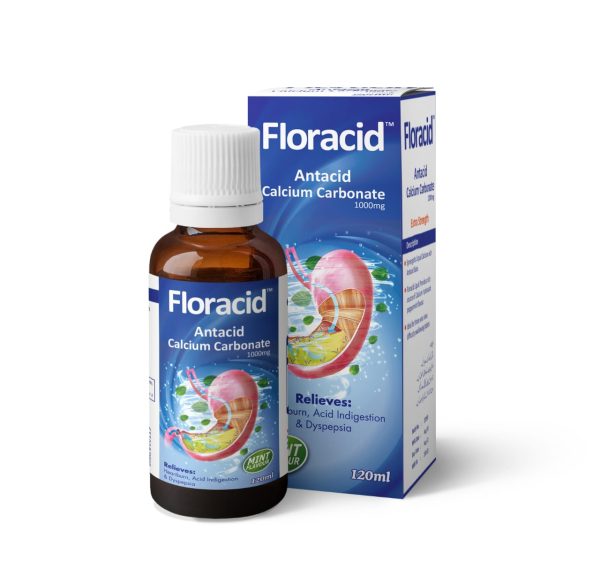
Floracid syrup

Floracid Syrup: Uses, Dosage, Side Effects And Warnings

Introduction Floracid syrup is a medication that helps treat heartburn, acid flux, and sometimes indigestion. It works by reducing or neutralizing the effect of stomach acid. Ingredients It contains Antacid Calcium Carbonate as an active ingredient. Generic Name Antacid Calcium Carbonate How Does Floracid Syrup Work? This medication reacts with stomach acid (hydrochloric acid) to form calcium chloride and carbon dioxide gas. This reaction neutralizes the acid, reducing discomfort. Uses Of Floracid Syrup Neutralize stomach acid: It reduces the effect of stomach acid. It helps in reducing heartburn. Indigestion: It helps in reducing indigestion. Treating Gastric Ulcer: It may also help in treating Gastric ulcers. Dosage: Use it as prescribed by the doctor. It is not recommended for children under 6 years of age. Overdose If you have taken more than the recommended. Seek medical help. Missed Dose If you have missed the dose and the time to the next dose is far take it otherwise don’t double the dose to cover the missed dose. Because it may cause some serious health problems. Side Effects Of Floracid Syrup Constipation Diarrhea Gas Dry mouth Stomach pain Vomiting loss of appetite Warning and Precautions Pregnancy or breastfeeding: If you are pregnant or in a breastfeeding era. It must be better to use Floracid syrup under healthcare guidance. Medical History: If you have any medical history discuss it with the doctor before using this syrup, especially kidney stones. Allergic: Don’t use this syrup if you are allergic to it. Drug Interaction: Before using this medication. Tell the doctor about medicines you are already taking because it may Floracid syrup may interact with other medicines. Also, Don’t take Floracid tablets with other medicines it may reduce the effectiveness of other medicines. Expiry Date: Don’t use it after the passing of the expiry date. Drug Interaction Floracid syrup may interact with the below medications Acebutolol Acetaminophen Acetophenazine Acetyldigitoxin Alfacalcidol Storage keep it a room temperature Store it in a dry place and keep it away from moisture. Keep it away from children and pets. Disclaimer This article is for information purposes only. Don’t take it as a medical advice.

Floracid Syrup: Uses, Dosage, Side Effects And Warnings Read More »

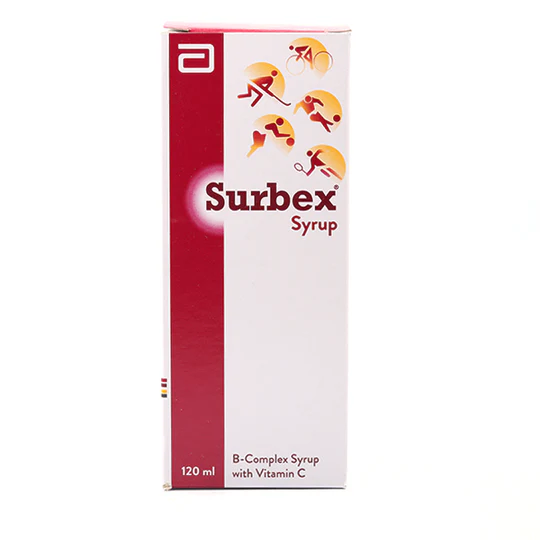
Surbex Syrup

Surbex Syrup 120ml: Uses, Dosage Side Effects And Warnings

1. Introduction Surbex syrup is a multivitamin solution aimed at correcting deficiencies of essential vitamins and minerals in the body. It plays a significant role in maintaining overall health, preventing deficiencies, and supporting the body’s metabolic processes. 2. Mechanism Multivitamins like Surbex syrup provide a blend of essential nutrients that contribute to various physiological functions. They assist in enzyme activity, promote healthy cell function, and prevent chronic deficiencies that can impair bodily systems. 3. Key Ingredients Each 5 ml of Surbex syrup contains the following: Vitamin B1 (10mg): Supports metabolism and energy production. Vitamin B2 (6mg): Helps maintain healthy skin and eyes. Vitamin B6 (10mg): Vital for brain health and nervous system function. Nicotinamide (50mg): Aids in maintaining healthy cholesterol levels and energy production. Panthenol (10mg): Promotes skin health and wound healing. Vitamin B12 (10mg): Crucial for red blood cell formation and neurological function. Vitamin C (100mg): Boosts immune function and enhances collagen production. 4. Uses Prevents and treats vitamin and mineral deficiencies, especially due to: Pregnancy: Increased demand for vitamins during pregnancy. Illness: Recovery from illness that depletes essential nutrients. Poor diet: Dietary gaps where nutrients are missing or insufficient. 5. Who Should Take Surbex Syrup? Individuals suffering from vitamin deficiencies. Pregnant women (under medical supervision). People with poor nutrition or those recovering from illnesses. 6. How to Use? Surbex syrup should be taken as prescribed by your doctor. It can be taken with or without food, depending on your healthcare provider’s advice. 7. Dosage The dosage is based on medical advice. Do not self-medicate. Always follow the prescription for correct dosing. 8. Missed Dose If you miss a dose, take it as soon as possible. If it’s near the time of the next dose, skip the missed one. Never double your dose to make up for a missed one. 9. Overdose An overdose of multivitamins can cause serious complications such as gastric issues, including bloody stools. In severe cases, overdose may become life-threatening. Immediate medical care is essential. 10. Side Effects Common Side Effects: Mild gastric disturbances. Rare Side Effects: Allergic reactions (rash, itching). 11. Drug Interactions Surbex syrup may interact with certain medications, including: Fluorouracil (anti-cancer drug) Cholesterol-lowering agents Orlistat (weight-loss drug) Cephradine and Cephalexin (antibiotics) Warfarin (blood thinner) Sevelamir (used for patients with kidney disease) Always inform your doctor of any other medications you are taking to avoid adverse drug interactions. 12. Precautions & Warnings Do not exceed the recommended dose. Avoid taking it if you are allergic to any of its ingredients. Consult your doctor if you are pregnant, nursing, or taking other medications. 13. Storage & Disposal Store at room temperature away from light and moisture. Keep out of the reach of children. Dispose of expired or unused syrup as per local waste management guidelines. 14. Disclaimer This information is meant for educational purposes only. Always consult your healthcare provider before starting or changing your dosage of Surbex syrup.

Surbex Syrup 120ml: Uses, Dosage Side Effects And Warnings Read More »

Acro Tablet: Uses, Dosage, Side Effects and Warning

General Overview: Acro tablet is an antibiotic used for bacterial infections such as respiratory tract infections, urinary tract infections, and many more. Azithromycin is an active ingredient in this medication. Ingredients: Azithromycin(antibiotics) Dosage Form: Tablet How Does It Work? It works by preventing the growth and reproduction of bacteria. Azithromycin targets bacterial ribosomes and binds to its 50s subunit thus it prevents the translocation step in protein synthesis and therefore inhibits the growth of bacteria. Acro Tablet Uses: Respiratory infections Ear infections especially otitis media Urinary tract infection Skin infections  sexually transmitted diseases. Acro Tablet Side Effects: Itching rashes anaphylaxis (rare) Prolonged Diarrhea Eye discomfort Heart rhythm disturbances. Nausea vomiting abdominal pain Sleep disorders  low blood pressure swelling of eyelids Warning and Precautions Talk to your doctor if you are allergic to it. Inform the doctor about your complete medical history especially if have/had liver disease, heart problems, or kidney disease. It may interact with other drugs, so inform the doctor about all medications you are taking. Inform the doctor if you are pregnant. Inform the doctor if you are in a breastfeeding era. Dosage: As per doctor’s prescription Overdose: If you think you have taken more than prescribed, seek medical help. Missed Dose: If you have missed the dose, take it if the time to the next dose is more. If not, please don’t double it to cover the missed one. Drug interaction: It may interact with other drugs/medications. So inform the doctor about your medical history before using it. Storage: Store it in a dry and cool place. keep it away from moisture. protect from the sun. keep it away from children. Disclaimer: This article is just for information purposes only. Please don’t take it as medical advice. Consult a doctor for a prescription.

Acro Tablet: Uses, Dosage, Side Effects and Warning Read More »

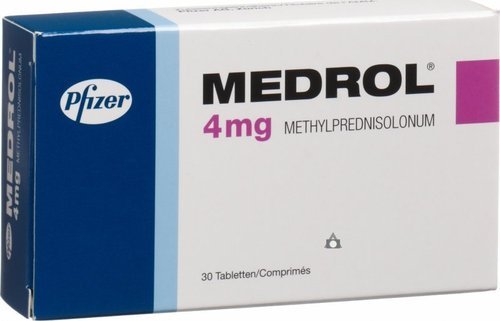
Medrol tablet

Medrol Tablet 4mg: Uses, Dosage, Side Effects and Precautions

Introduction Medrol tablet is used to treat inflammations, pain, and allergies. This tablet contains Prednisolone which belongs to the family of corticosteroids. Corticosteroids are already in the body, but we take this tablet to boost it. Ingredients Prednisolone is present in it as an active ingredient which belongs to the class of Corticosteroids. Generic Name Prednisolone How Does Medrol Tablet Work? Mechanism: These tablets operate at the cellular level, in the cell they bind to the glucocorticoid receptors. The interaction of glucocorticoid receptors and this medication stimulates a series of molecular events. Medrol Tablet Uses: Inflammatory Conditions Rheumatoid Arthritis: To reduce joint pain, swelling, and stiffness. Inflammatory Bowel Disease (IBD): Such as Crohn’s disease and ulcerative colitis, to manage inflammation in the intestines. Asthma:  It is used for Asthma patients Skin Conditions: Like severe eczema, psoriasis, or allergic dermatitis. Allergic Reactions Severe Allergies: To reduce airway inflammation and improve breathing during severe asthma attacks or allergic reactions. Autoimmune Disorders Lupus (Systemic Lupus Erythematosus): To suppress the immune system and reduce inflammation. Multiple Sclerosis (MS): Prednisolone is used to reduce inflammation during flare-ups. Vasculitis: Inflammation of blood vessels, often treated with corticosteroids like prednisolone. View more: Kestine tablet Uses, Side Effects, and Precautions Dosage Use as per doctor’s advice. Overdose If you have taken more than the recommended by the doctor. Seek medical help. Because overdose may cause serious health problems. Missed Dose If you have missed the dose take it if the time to the next dose is far otherwise don’t double the dose to cover the missed dose. Who should take Medrol tablet? Those who are suffering from the following health conditions should take rapicort tablet. Inflammatory Conditions Rheumatoid Arthritis: To reduce joint pain, swelling, and stiffness. Inflammatory Bowel Disease (IBD): Such as Crohn’s disease and ulcerative colitis, to manage inflammation in the intestines. Asthma and Severe Allergies: To reduce airway inflammation and improve breathing during severe asthma attacks or allergic reactions. Skin Conditions: Like severe eczema, psoriasis, or allergic dermatitis. Autoimmune Disorders: Lupus (Systemic Lupus Erythematosus): To suppress the immune system and reduce inflammation. Multiple Sclerosis (MS): Medrol tablet is used to reduce inflammation during flare-ups. Vasculitis: Inflammation of blood vessels. Medrol Tablet Side Effects It has some side effects which are Tiredness, dizziness increased number of white blood cells blood clotting nausea and vomiting heart problems difficulty in breathing convulsions vertigo(dizziness) headache raised pressure in the brain vision problems mental illness worsening of epilepsy increased pressure in the eyeball (glaucoma) whitening or clouding of the lens (cataracts) pressure on the nerve to the eye, thinning of the tissues of the eye (sclera and cornea) Warnings And Precautions Everyone must take some precautions before using this medication. Don’t take it or inform your doctor if you are pregnant. Use cautiously if you are in a breastfeeding era. If you have any kidney disease, talk to your doctor before using it. inform your doctor in case you are suffering from liver disease. Don’t use it after expiry date. Storage keep it away from sunlight. keep away from kids. Don’t store at a warm place. keep at a dry place. Disclaimer This article is just for information purposes only. Don’t take it as a doctor’s or medical advice.

Medrol Tablet 4mg: Uses, Dosage, Side Effects and Precautions Read More »

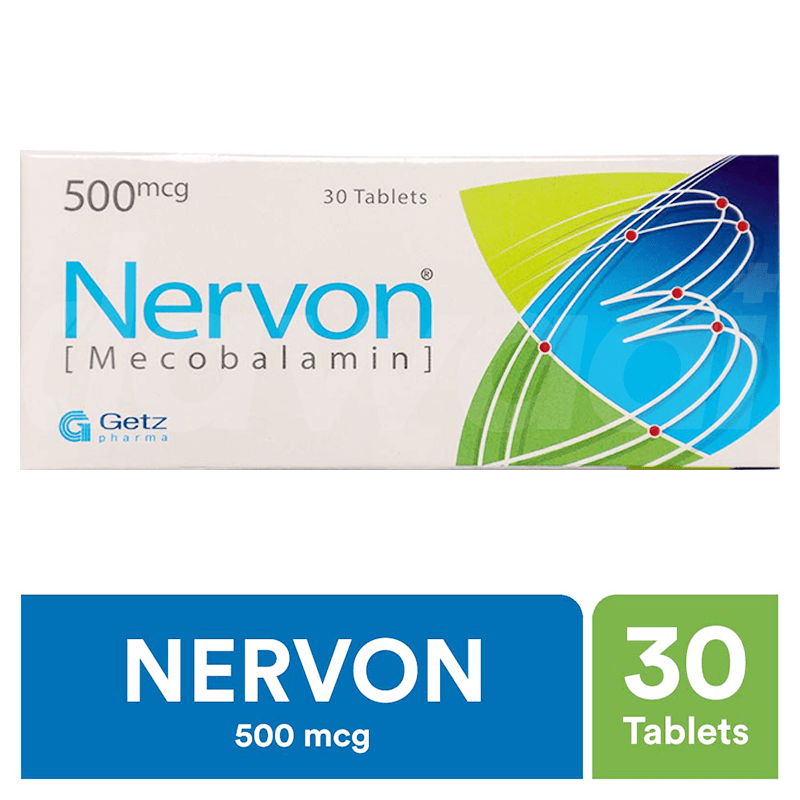
Nervon Tablet

Nervon Tablet 500mcg: Uses, Dosage, Side Effects And Warnings

Medicine Name Nervon 500mcg Tablet Generic Name Mecobalamin Manufactured by Getz Pharma Price In Pakistan PKR. 432.00 (Pack) Introduction Mecobalamin, also known as methylcobalamin, is a form of vitamin B12 that plays a crucial role in maintaining nerve health, brain function, and red blood cell production. It is commonly used in the treatment of neurological disorders and vitamin B12 deficiency. Unlike other forms of B12, mecobalamin is bioactive, meaning it does not need to be converted by the body to be used. Mechanism Mecobalamin works by supporting the production of myelin, the protective covering of nerves, and by promoting the synthesis of neurotransmitters. It helps in the conversion of homocysteine to methionine, a process vital for DNA synthesis and cellular repair. This form of B12 also helps in the production of red blood cells, thereby preventing anemia and supporting oxygen transport in the body. Uses Mecobalamin is prescribed for a variety of conditions, including: Vitamin B12 Deficiency: For individuals who cannot absorb enough B12 from food. Peripheral Neuropathy: Helps in the treatment of nerve damage caused by diabetes, alcoholism, or chemotherapy. Amyotrophic Lateral Sclerosis (ALS): In some cases, mecobalamin is used as an adjunct therapy. Megaloblastic Anemia: Treats a type of anemia caused by vitamin B12 deficiency. How to Use It? Mecobalamin is available in oral tablets, sublingual tablets, and injectable forms. Oral: Take mecobalamin by mouth, with or without food, typically once or twice a day, as prescribed by a healthcare professional. Injectable: Injections are administered by a healthcare provider for quicker absorption, especially in cases of severe deficiency. Sublingual: This form is placed under the tongue for rapid absorption into the bloodstream. Who Should Use It? Individuals with Vitamin B12 Deficiency: People with digestive disorders, such as Crohn’s disease or celiac disease, often benefit from mecobalamin supplementation. Elderly Individuals: Older adults may struggle with B12 absorption and could require mecobalamin supplements. Patients with Neuropathy: Mecobalamin is often recommended for people suffering from nerve-related pain due to diabetes or other causes. Vegetarians/Vegans: People on plant-based diets may need mecobalamin supplementation due to a lack of B12 from animal products. Dosage (Overdose and Missed Dose) Adult Dosage: The typical dosage for mecobalamin is 500 mcg to 1500 mcg daily, depending on the condition being treated. Injectable doses may vary. Overdose: Mecobalamin is a water-soluble vitamin, and excess amounts are usually excreted through urine. However, extremely high doses may cause side effects like diarrhea or skin rashes. Missed Dose: If a dose is missed, take it as soon as remembered. If it’s near the time for the next dose, skip the missed dose and resume your normal schedule. Off-Label Uses In addition to its primary uses, mecobalamin may be used off-label for conditions such as: Alzheimer’s Disease: Some studies suggest mecobalamin may improve cognitive function. Sleep Disorders: There is some evidence to suggest that mecobalamin might help regulate sleep-wake cycles. Side Effects (Common and Rare) Common Side Effects: Nausea Diarrhea Headaches Skin rash Rare Side Effects: Hypersensitivity reactions (allergic reactions) Shortness of breath Swelling or itching in unusual areas Drug Interactions Mecobalamin may interact with certain medications, reducing its effectiveness: Chloramphenicol: An antibiotic that may decrease the effects of mecobalamin on red blood cell production. Proton Pump Inhibitors (PPIs): Long-term use of acid-reducing medications can interfere with B12 absorption. Metformin: This diabetes medication can lower B12 levels, so mecobalamin supplements may be necessary. Warnings and Precautions Allergies: Inform your doctor if you are allergic to mecobalamin or any other B12 supplements. Pregnancy and Breastfeeding: Mecobalamin is generally considered safe during pregnancy and breastfeeding, but consult your doctor for personalized advice. Kidney Disease: Patients with kidney disease should use mecobalamin cautiously and under medical supervision. Storage Store mecobalamin in a cool, dry place away from direct sunlight. Do not freeze injectable forms. Keep all forms of the medication out of reach of children and pets. Disclaimer This information is intended for educational purposes only. Always consult your healthcare provider before starting or stopping any medication, including mecobalamin. This article does not replace professional medical advice, diagnosis, or treatment Visit Healthaea.com for more health related articles

Nervon Tablet 500mcg: Uses, Dosage, Side Effects And Warnings Read More »

Typhoid vaccine

Typhoid Vaccine

Introduction To Typhoid Vaccine Typhoid fever, a potentially life-threatening bacterial infection caused by Salmonella enterica serotype Typhi, remains a significant global health concern, particularly in regions with inadequate sanitation and clean water. Despite advancements in healthcare, the disease continues to affect millions of people worldwide, resulting in substantial morbidity and mortality. Vaccination is a crucial strategy for preventing typhoid fever and reducing its burden on public health systems. This article provides a comprehensive overview of the typhoid vaccine, encompassing its history, types, effectiveness, usage guidelines, side effects, and recent developments. By understanding the various aspects of typhoid vaccination, individuals and healthcare providers can make informed decisions regarding its use and contribute to efforts to control the spread of this disease. A Brief History of Typhoid Vaccine The development of typhoid vaccines dates back to the late 19th century when the disease was a major public health threat, particularly in crowded urban areas and military camps. Early attempts at vaccination involved the use of heat-killed or attenuated bacteria, which provided some protection but were often associated with adverse reactions. In 1896, British bacteriologist Almroth Edward Wright introduced a vaccine made from the typhoid bacterium, marking a significant milestone in the history of typhoid immunization. This vaccine, while not as effective as modern options, laid the foundation for future developments. Over the following decades, research and advancements in vaccine technology led to the development of more effective and safer typhoid vaccines. The introduction of the Vi polysaccharide vaccine in the 1960s and the live attenuated oral vaccine (Ty21a) in the 1970s represented major breakthroughs in typhoid prevention. Today, typhoid vaccines are widely available and have played a crucial role in reducing the incidence of the disease in many parts of the world. However, challenges such as the emergence of drug-resistant typhoid strains and limited access to vaccination in certain regions continue to pose significant obstacles to achieving complete control of the infection. Types of Typhoid Vaccine There are primarily three types of typhoid vaccines currently available: Typhoid Conjugate Vaccine (TCV): This newer vaccine offers superior protection, especially in young children. It is composed of a typhoid polysaccharide antigen conjugated to a protein carrier, which enhances the immune response and provides longer-lasting immunity. TCV is one of the most effective typhoid vaccine available and is recommended for individuals of all ages. Vi Polysaccharide Vaccine (ViCPS): This injectable vaccine is composed of purified Vi polysaccharide, a component of the typhoid bacterium’s outer membrane. ViCPS is effective in preventing typhoid fever in individuals aged two and above, but its duration of protection is relatively shorter compared to TCV. Live Attenuated Oral Vaccine (Ty21a): This oral vaccine is a weakened form of the typhoid bacterium. It is generally effective in preventing typhoid, but it may not be suitable for immunocompromised individuals or pregnant women. Ty21a also requires multiple doses and may have a shorter duration of protection compared to TCV. Who Should Get Vaccinated? The Centers for Disease Control and Prevention (CDC) and the World Health Organization (WHO) recommend the typhoid vaccine for the following groups: Travelers visiting regions with high rates of typhoid fever, such as South Asia, Southeast Asia, and parts of Africa. Individuals living in or working in areas with poor sanitation and inadequate access to clean water. Healthcare workers who may be exposed to typhoid-infected patients. Children in areas where typhoid is endemic. Individuals with underlying medical conditions that increase their risk of typhoid infection. The specific type of vaccine recommended may vary depending on the individual’s age, health status, and travel itinerary. It is important to consult with a healthcare provider to determine the most appropriate vaccine for your needs. Effectiveness and Safety The typhoid conjugate vaccine (TCV) is one of the most effective option, with studies demonstrating 85-90% Efficiency in preventing typhoid fever. The Vi polysaccharide vaccine and the live attenuated oral vaccine (Ty21a) are also effective, but they may have lower efficacy rates or shorter durations of protection compared to TCV. The overall safety profile of typhoid vaccines is generally favorable. Common side effects may include injection site reactions, fever, fatigue, and gastrointestinal symptoms. Serious adverse reactions are rare but can occur. It is important to report any unusual symptoms to a healthcare provider. Side Effects Of Typhoid Vaccine Common Side Effects Most people who receive the typhoid vaccine experience mild, self-limiting side effects, which typically include: Injection site reactions (for TCV and ViCPS): Redness, swelling, or tenderness at the injection site. Fever: A low-grade fever may develop after vaccination. Gastrointestinal symptoms (for Ty21a): Some may experience nausea, vomiting, or diarrhea after taking the oral vaccine. Rare Side Effects Serious side effects from the typhoid vaccine are very rare but can include allergic reactions such as: Anaphylaxis: A severe allergic response that requires immediate medical attention. Recent Developments In recent years, there has been a growing concern about the emergence of drug-resistant typhoid strains, which can make the infection more difficult to treat. This has highlighted the importance of vaccination as a preventive measure against typhoid fever. Global health organizations and governments are actively working to increase access to typhoid vaccines, particularly in regions at high risk for the disease. Efforts are also underway to develop new and improved vaccines that may offer broader protection against different strains of typhoid and provide longer-lasting immunity. Conclusion Typhoid fever remains a significant global health challenge, but the availability of effective vaccines offers hope for prevention and control. By understanding the types of typhoid vaccines, their effectiveness, and recommended usage guidelines, individuals and healthcare providers can make informed decisions regarding vaccination and contribute to efforts to reduce the burden of this disease. As research and development continue to advance, it is likely that even more effective and accessible typhoid vaccines will become available in the future. By staying informed about the latest developments and ensuring widespread access to vaccination, we can work towards a world free from typhoid fever. Disclaimer This article is just for information purposes only. Dont’t take it as

Typhoid Vaccine Read More »

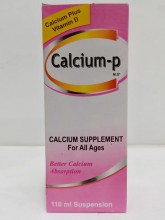
Calcium-p Syrup

Calcium-p Syrup 110 ml: Uses, Dosage, Side Effects and Warnings

Calcium-p syrup is essential for maintaining bone health and overall physiological functions. Together, they help ensure the proper functioning of muscles, bones, and the nervous system, contributing to general well-being. How Vitamin D3 and Calcium Work Together? Cholecalciferol (Vitamin D3) is converted into its active form, calcitriol, in the liver and kidneys. This active form plays a vital role in maintaining calcium balance in the body. Calcitriol helps regulate the secretion of parathyroid hormone (PTH), which manages calcium levels by mobilizing calcium from bones and increasing calcium reabsorption in the kidneys. Vitamin D3 also plays a crucial role in maintaining appropriate blood levels of calcium and phosphate, two essential elements for bone mineralization. By preventing excessive calcium loss from bones and promoting calcium deposition in bone tissue, it helps ensure strong, healthy bones. Moreover, calcitriol enhances intestinal absorption of calcium by increasing the production of calcium-binding proteins in the gut. This ensures that sufficient calcium is available in the bloodstream for essential functions such as bone formation, muscle contraction, and nerve signaling. The Role of Calcium in the Body Calcium is a vital mineral involved in various bodily functions: Bone Health: Calcium combines with phosphate to form hydroxyapatite, a mineral that provides bones with their strength and rigidity. Cellular Functions: Calcium ions are crucial for muscle contraction, blood clotting, and the transmission of nerve impulses. Enzyme Activation: It serves as a signaling molecule that regulates enzymes and hormones. Without sufficient calcium intake, the body pulls calcium from the bones, weakening them over time and increasing the risk of conditions such as osteoporosis. Ingredients Calcium Cholecalciferol (Vitamin D3) Drug Class Calcium Supplement Dosage Forms Syrup/Suspension Uses of Calcium + Cholecalciferol (Vitamin D3) Suspension Calcium-p syrup is beneficial for: Bone Health Calcium Deficiency Osteoporosis Prevention Skeletal Support Dosage Recommendations Bone Health: Take 10 ml twice daily. Osteoporosis: Take 10 ml three times daily. Calcium Deficiency: Take 10 ml once daily. Always follow the dosage instructions provided by your healthcare provider for optimal results. Overdose and Missed Dose In case of overdose: Discontinue use immediately and seek medical attention. Symptoms of overdose may include hypercalcemia (high calcium levels in the blood), nausea, and vomiting. Missed dose: If you miss a dose, take it as soon as you remember. If it’s almost time for your next dose, skip the missed one and continue with your regular schedule. Do not double the dose to make up for the missed one. How to Use Take the suspension with a meal to enhance absorption, ideally at the same time every day. Consistency is key for maintaining calcium and Vitamin D levels. When Not to Use Avoid using Calcium + Cholecalciferol (Vitamin D3) supplements if you have any of the following conditions: Severe hypercalcemia (high calcium levels) Kidney stones or a history of them Allergies to any of the ingredients Severe kidney disease Parathyroid disorders Consult your doctor before starting the supplement if you have any medical conditions. Side Effects Though generally safe when taken as directed, some people may experience side effects, including: Constipation Nausea Stomach upset Allergic reactions (rash, itching, swelling) If any of these symptoms persist, discontinue use and consult a healthcare provider. Precautions & Warnings Use only as directed by your healthcare provider to avoid potential adverse effects like hypercalcemia or kidney stones. Consult your doctor before using the supplement if you have conditions like kidney disease or hyperparathyroidism. Stop using the supplement and seek medical advice if you experience allergic reactions, nausea, vomiting, or abdominal pain. Drug Interactions Certain medications can interact with Calcium-p syrup. These include: Iron supplements (Calcium can reduce iron absorption) Thyroid medications (Calcium can interfere with the absorption of thyroid hormones) Certain antibiotics (e.g., tetracyclines, fluoroquinolones) Diuretics (e.g., thiazides, which can raise calcium levels) Bisphosphonates (used to treat osteoporosis, may be less effective when taken with calcium) Magnesium supplements Corticosteroids (affect calcium metabolism and bone density) Other vitamin D supplements (to avoid vitamin D toxicity) Always inform your healthcare provider about any medications or supplements you are taking. Food Interactions Some foods and drinks can affect the absorption of calcium and Vitamin D3, including: Alcohol: May reduce calcium absorption. High-fat meals: May interfere with Vitamin D absorption. Oxalate-rich foods: (e.g., spinach) can decrease calcium absorption. High-fiber foods: May impact nutrient absorption. Storage and Disposal For best results, store Calcium-P suspension at a temperature between 15°C and 30°C in a cool, dry place, away from direct sunlight and moisture. Make sure the bottle is tightly closed to avoid contamination. Important tips for safe storage: Keep the product out of reach of children and pets. Avoid storing the supplement in warm or humid areas like bathrooms or kitchens. If you have any concerns about storage, consult your pharmacist for further guidance. Conclusion Calcium and Cholecalciferol (Vitamin D3) are a powerful combination for supporting bone health, preventing calcium deficiency, and reducing the risk of osteoporosis. By following the proper dosage, considering potential interactions, and taking precautions, you can ensure that you’re getting the best benefits from this essential supplement.

Calcium-p Syrup 110 ml: Uses, Dosage, Side Effects and Warnings Read More »
Chickenpox vaccine

Chickenpox (Varicella) Vaccine: Benefits, Dosage, and Effectiveness

Chickenpox Vaccine: Everything You Need to Know The chickenpox vaccine is an essential immunization used to protect against the varicella-zoster virus, which causes chickenpox. This highly contagious disease can lead to severe complications, especially in adults, pregnant women, and those with weakened immune systems. The vaccine helps reduce the incidence of chickenpox and its complications, making it a critical tool for public health. What is Chickenpox? Chickenpox is a viral infection that causes an itchy, blister-like rash. It is highly contagious and spreads through close contact with an infected person. While the disease is often mild in children, it can lead to severe complications such as pneumonia, encephalitis, or skin infections. Before the vaccine’s introduction, nearly every child contracted chickenpox, but thanks to vaccination programs, the disease is now much less common. History of the Chickenpox Vaccine The chickenpox vaccine was first developed in the 1970s and became available in several countries in the mid-1990s. The vaccine has dramatically reduced the number of chickenpox cases and complications worldwide. In countries with widespread use, such as the United States, the vaccine is part of the standard childhood immunization schedule. Who Should Get the Chickenpox Vaccine? Recommended Age for Vaccination Children typically receive the first dose of the chickenpox vaccine between 12 and 15 months of age and a second dose between ages 4 and 6. The two doses provide around 90% effectiveness in preventing the disease. For older children, adolescents, and adults who haven’t been vaccinated or previously had chickenpox, it is recommended to get vaccinated as soon as possible. People Who Should Avoid the Vaccine Pregnant women: The vaccine is not recommended for pregnant women. It’s advised to get vaccinated at least one month before becoming pregnant. People with weakened immune systems: Individuals with certain immune conditions, such as those undergoing chemotherapy or organ transplants, should not receive the vaccine without consulting a healthcare provider. Why the Chickenpox Vaccine is Important? Preventing Complications: While chickenpox is generally mild, it can lead to serious complications in some people, including pneumonia, bacterial skin infections, and even brain inflammation. Reducing the Spread of Chickenpox: Vaccinating a large portion of the population helps reduce outbreaks and protect those who cannot get vaccinated, such as newborns and people with compromised immune systems. Preventing Shingles: The same virus that causes chickenpox can remain dormant in the body and cause shingles later in life. The chickenpox vaccine helps lower the risk of developing shingles. How Chickenpox Immunity Works? After receiving the vaccine, the body develops immunity to the varicella-zoster virus by producing antibodies. This immune response helps the body recognize and fight the virus if exposed later in life. For most people, two doses of the vaccine provide lifelong immunity, though breakthrough infections can occur. Global Use of the Chickenpox Vaccine The chickenpox vaccine is widely used in countries like the United States, Canada, and parts of Europe, where it is included in routine childhood immunization schedules. However, in some countries, chickenpox vaccination is not part of the national immunization program. This can lead to higher rates of chickenpox in regions without widespread vaccine access. Breakthrough Infections: Why Some Vaccinated People Still Get Chickenpox Although the chickenpox vaccine is highly effective, some people may still contract chickenpox after being vaccinated. These are known as breakthrough infections. However, these cases are typically much milder, with fewer lesions and less severe symptoms compared to unvaccinated individuals. Vaccine Safety and Side Effects The chickenpox vaccine is generally safe and well-tolerated. The most common side effects are mild and include: Redness, soreness, or swelling at the injection site Low-grade fever Mild rash Serious side effects are extremely rare but can include severe allergic reactions or febrile seizures. Cost and Availability of the Chickenpox Vaccine The cost of the chickenpox vaccine varies depending on the country and healthcare provider. In the United States, the vaccine is usually covered by insurance. In other countries, access to the vaccine may be more limited or require out-of-pocket payment. The Importance of Herd Immunity Herd immunity occurs when a significant portion of the population becomes immune to a disease, either through vaccination or previous infection. This helps protect individuals who cannot be vaccinated, such as newborns and immunocompromised people. Widespread chickenpox vaccination plays a crucial role in establishing herd immunity and preventing outbreaks. Chickenpox and COVID-19: Should You Delay Vaccination? Due to the COVID-19 pandemic, some people may wonder if they should delay other vaccinations, like the chickenpox vaccine. Current guidelines recommend continuing with routine vaccinations as scheduled, as there is no evidence suggesting an increased risk from getting the chickenpox vaccine during the pandemic. Chickenpox Vaccine Myths and Misconceptions Some common myths and misconceptions about the chickenpox vaccine include concerns over safety, the belief that natural immunity is better, or the misconception that vaccinated individuals don’t need the second dose. It is important to rely on evidence-based information when making vaccination decisions and consult with healthcare providers for guidance. Chickenpox Vaccine FAQs How long does the chickenpox vaccine last? The chickenpox vaccine provides long-lasting immunity. Studies have shown that two doses offer lifelong protection for most people. However, breakthrough infections may still occur, though they are generally mild. Can you get the chickenpox vaccine while pregnant? No, pregnant individuals should not receive the chickenpox vaccine. It’s recommended to get vaccinated at least one month before trying to conceive. What happens if you miss a chickenpox vaccine dose? If you miss a dose, consult your healthcare provider. For children, the second dose should be given at least three months after the first dose. For adults, the second dose should be administered at least 28 days after the first. Can vaccinated individuals still spread chickenpox? While rare, vaccinated people who develop a breakthrough infection can still spread chickenpox to others. However, these cases are typically mild and less contagious than infections in unvaccinated individuals. Is the chickenpox vaccine mandatory? In many countries, including the U.S., the chickenpox vaccine is part of the recommended childhood immunization schedule.

Chickenpox (Varicella) Vaccine: Benefits, Dosage, and Effectiveness Read More »

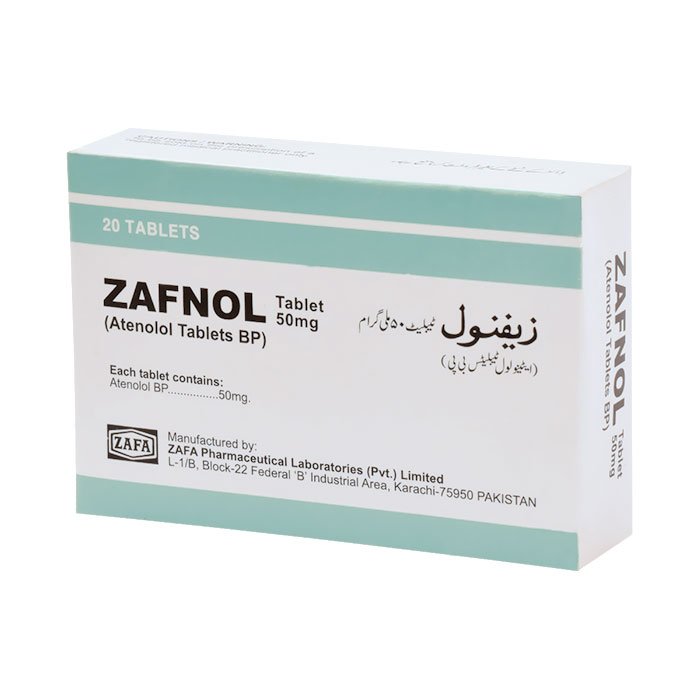
Zafnol tablet

Zafnol Tablet 50mg: Uses, Dosage, Side Effects And Warnings

Medicine Name Zafnol Tablet Generic Name Atenolol Manufactured By ZAFA Pharmaceutical Laboratories (Pvt.) Ltd. Price In Pakistan Rs. 90.00 Introduction Zafnol tablet is a prescription medication that belongs to a class of drugs called beta-blockers. It is primarily used to treat conditions related to the heart and blood circulation, such as high blood pressure (hypertension) and chest pain caused by insufficient blood flow to the heart (angina). By blocking the action of certain natural chemicals in your body, like epinephrine (adrenaline), atenolol helps reduce heart rate, blood pressure, and strain on the heart. Zafnol Tablet Uses in Urdu زافنول ٹیبلٹ ایک نسخے کی دوا ہے جو بیٹا بلاکرز کے گروپ سے تعلق رکھتی ہے۔ اس کا بنیادی استعمال دل اور خون کی گردش سے متعلق بیماریوں کا علاج کرنا ہے، جیسے کہ ہائی بلڈ پریشر (بلند فشار خون) اور سینے میں درد جو دل تک خون کی ناکافی روانی کی وجہ سے ہوتا ہے (انجائنا)۔ یہ دوا آپ کے جسم میں موجود کچھ قدرتی کیمیکلز، جیسے ایڈرینالین (ایپی نیفرین)، کی کارروائی کو روکتی ہے، جس سے دل کی دھڑکن، بلڈ پریشر، اور دل پر پڑنے والا بوجھ کم ہوتا ہے۔ Ingredients It contain Atenolol as in active ingredient. What is Atenolol? Atenolol is a prescription medication classified as a beta-blocker. What is it used for? Primary Use: Treats high blood pressure (hypertension) by relaxing blood vessels and slowing heart rate, reducing strain on the heart. Other Uses: Prevents angina (chest pain) Improves survival after a heart attack May be used in treating irregular heartbeat, migraine headaches, and alcohol withdrawal (consult doctor for specific use cases). Dosage and Administration Typically taken as a tablet by mouth. Usual starting dose is 50mg, once or twice daily, but may vary based on individual needs. Taken around the same time(s) each day for consistency. Important to follow doctor’s instructions precisely and not alter dosage without consultation. Important Considerations May take 1-2 weeks to experience the full benefits of this tablet. Do not stop taking Zafnol abruptly as this can lead to serious heart problems. Consult your doctor before stopping. Zafnol tablets controls but doesn’t cure high blood pressure and angina. Potential Side Effects Common: Dizziness, lightheadedness, fatigue, slow heart rate, cold hands or feet. Serious (but uncommon): Shortness of breath, wheezing, swelling of extremities, rapid heartbeat, fainting. Precautions and Warnings Inform your doctor about: Allergies to Zafnol tablets or other medications Existing medical conditions like asthma, diabetes, heart problems, etc. Pregnancy, breastfeeding, or planned pregnancy Upcoming surgery (including dental) This medication may increase the risk of low blood sugar and affect its symptoms. Be aware of this if you have diabetes. May cause dizziness when rising from a lying position. Take caution to avoid falls. Additional Notes Maintain a healthy lifestyle alongside medication for optimal control of blood pressure. Store Zafnol tablet in its original container at room temperature, away from heat and moisture. Dispose of unused medication properly. Keep regular appointments with your doctor for blood pressure monitoring and dosage adjustments as needed. Do not share your medication with others. Disclaimer: This is not a substitute for professional medical advice. Always consult your doctor about using Zafnol tablets or any medication to ensure it’s safe and appropriate for your individual needs.

Zafnol Tablet 50mg: Uses, Dosage, Side Effects And Warnings Read More »

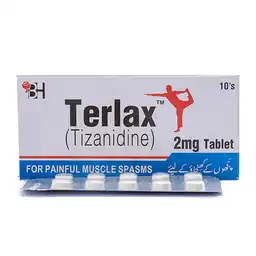
Terlax Tablets

Terlax Tablets 2mg: Uses, Side Effects, Benefits And Warnings

Name of The Medicine                                                       Terlax Tablets Generic Name                                                                    Tizanidine Manufactured By                                                                  Barrett hodgson pakistan Price In Pakistan                                                                   Rs. 180.00  Introduction Terlax Tablets is a prescription medication used to manage muscle spasms and the increased muscle tone caused by conditions like multiple sclerosis, spinal cord injuries, and other neurological disorders. Classified as a skeletal muscle relaxant, It acts centrally, primarily targeting the brain and spinal cord to reduce muscle spasms and provide relief. This article combines various insights on Terlax tablet, discussing its usage, side effects, precautions, and more, while ensuring all provided information is integrated into a cohesive guide. Ingredients It contain Tizanidine as an acative ingredient. Why is Terlax Tablets Prescribed? It is used to relieve muscle spasms and increased muscle tone associated with several neurological conditions, including: Multiple sclerosis (MS): A condition where nerves are damaged, leading to symptoms like muscle weakness, numbness, and coordination issues. Spinal cord injuries: Terlax tablets helps relax muscles and alleviate painful spasms caused by spinal damage. Stroke: In some cases, stroke survivors experience muscle tightness, and this tablet helps relieve these symptoms. This medication functions as a skeletal muscle relaxant, working by slowing down nerve activity in the brain and spinal cord, thereby allowing muscles to relax. By acting on alpha-2 adrenergic receptors, it inhibits the release of certain excitatory amino acids, which are responsible for excessive muscle tone. How to Use Terlax Tablets The medication can be taken with or without food, but it’s essential to take it consistently either always with food or always without food, as food can affect how the medication is absorbed. Key Usage Instruction Dosage: Follow the prescription exactly as directed. Your doctor will typically start with a low dose and increase it gradually, depending on your response. Do not substitute forms: Capsules and tablets are absorbed differently, so one form cannot be substituted for the other without consulting your doctor. Missed dose: If you miss a dose, take it as soon as you remember unless it’s close to the time for your next dose. Never double the dosage to make up for a missed one. Stopping the medication: Do not stop taking it suddenly, as this can cause a rapid increase in blood pressure, heart rate, or muscle spasms. Your doctor will help you taper off the medication if necessary. Special Dietary Instructions There are no specific dietary restrictions while taking Terlax unless advised otherwise by your healthcare provider. Side Effects of Terlax Tablets Like all medications, Terlax tablets can cause side effects. These can range from mild to severe: Common Side Effects: Drowsiness Dizziness Dry mouth Weakness Constipation or diarrhea Back pain Stomach pain Serious Side Effects Extreme tiredness Nausea and loss of appetite Yellowing of the skin or eyes (jaundice, indicating possible liver damage) Seeing or hearing things that are not real (hallucinations) Unusual bleeding or bruising If you experience any of these serious symptoms, contact your healthcare provider immediately. Drug Interactions Terlax Tablets can interact with several medications, leading to increased risk of side effects or reduced effectiveness. Inform your doctor if you’re taking: Ciprofloxacin or fluvoxamine Antiarrhythmics such as amiodarone or propafenone Oral contraceptives Cimetidine Sedatives and alcohol, which can increase drowsiness and fatigue Storage and Disposal Storage: Keep Terlax tablets at room temperature, away from direct light, moisture, and excessive heat. Ensure it’s stored in a secure location out of the reach of children and pets. Disposal: Unused or expired medication should not be flushed down the toilet. Instead, consult a pharmacist or a take-back program in your community to dispose of it safely. Overdose Information In case of an overdose, immediate medical attention is required. Contact emergency services or a poison control helpline. if you experience symptoms such as: Drowsiness Slow heartbeat Fainting Severe confusion Additional Precautions and Warnings Allergies: Inform your doctor if you are allergic to Terlax tablets or any other medications. Health conditions: Let your doctor know if you have a history of kidney or liver disease, or if you are pregnant or breastfeeding. Lactose intolerance: Terlax Tablets contain lactose, so avoid using them if you have severe lactose intolerance. Pregnancy and breastfeeding: Consult your doctor before using this medication if you’re pregnant or breastfeeding, as safety during pregnancy is not fully established. Alcohol and drowsiness: Alcohol increases the sedative effects of This medication. Avoid driving or operating heavy machinery until you know how the medication affects you. Liver function: Regular liver function tests may be required while taking it, as it can cause liver damage in rare cases. Postural dizziness: It may cause dizziness when standing up quickly. To avoid this, get out of bed slowly and sit for a few minutes before standing. Conclusion Terlax tablets is an effective muscle relaxant used to treat painful muscle spasms and spasticity due to various neurological conditions. While it can provide significant relief, it’s essential to take it as directed and be aware of its side effects, interactions, and precautions. Always consult your doctor before making any changes to your medication regimen, and report any concerning symptoms immediately. Proper storage and disposal of this medication is crucial for ensuring safety, especially around children and pets.

Terlax Tablets 2mg: Uses, Side Effects, Benefits And Warnings Read More »

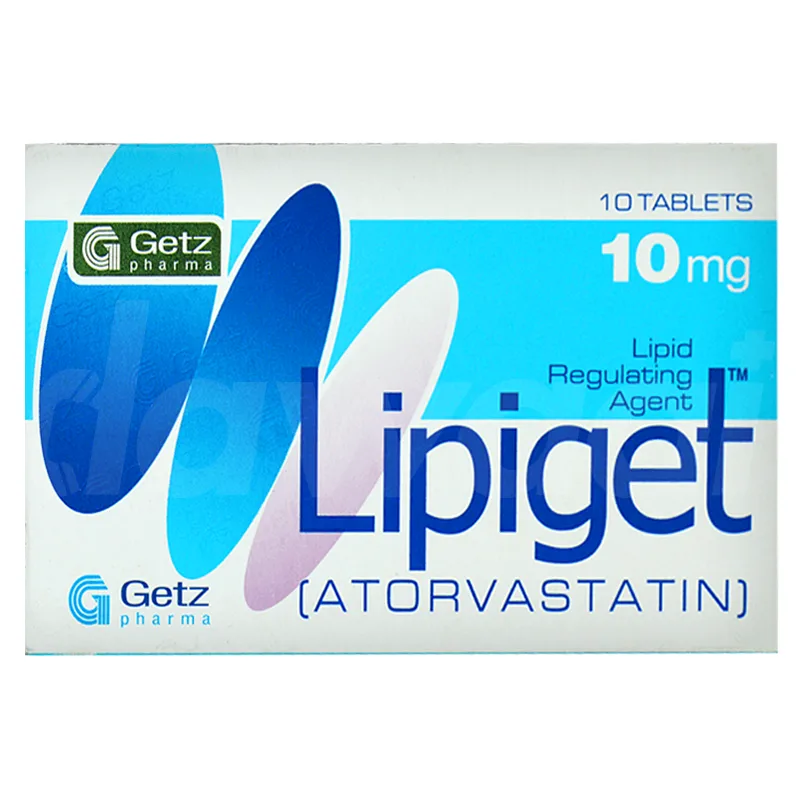
Lastolip tablet

Lastolip Tablet 10mg: Uses, Dosage, Side Effects And Warnings

Name Of The Medicine                                                                       Lastolip Tablet Generic Name                                                                                        Atorvastatin Manufactured By                                                                                  Wilshire Price In Pakistan                                                                                 Rs. 162.00 Introduction: Lastolip tablet is a medication used to treat low Cholesterol levels and prevent cardiovascular disease.  This medication belongs to the class of medicines known as antilipidemic. Ingredients It contains Atorvastatin Calcium Trihydrate as an active ingredient. How Does Lastolip Tablet Work? Lastolip tablet works by inhibiting an enzyme known as HMG-CoA reductase. This enzyme is responsible for the production of cholesterol in the liver. By blocking hMG-CoA-reductase it reduces the production of cholesterol and especially reduces the synthesis of low-density lipoprotein (LDL), which is considered as “bad cholesterol.” Uses Of Lastolip Tablet Cholesterol Level:  It reduces the level of cholesterol in the body. LDL cholesterol: It lowers the level of (LDL cholesterol) also known as bad cholesterol and increases the level of good cholesterol known as (HDL).  Cardiovascular Problems: It is used for the prevention of Cardiovascular problems(Heart attack and heart stroke). Dosage Of Lastolip Tablet Dosage can be different from person to person as it comes with different strengths. So use it according to the doctor’s prescription. Overdose If you have taken more than the recommended by the doctor. Seek medical help because it can cause serious health issues. In case of overdose, you may experience the following symptoms: Symptoms In Case Of Overdose Muscle weakness or pain Nausea Diarrhea Vomiting Confusion Liver damage What To Do In Case Of Overdose? In case of accidental overdose immediately seek medical help. Missed Dose If you have missed the dose please take it if the time to the next dose is far. Otherwise don’t double the dose to cover the missed one. Off Label Uses While it is mainly used for cholesterol levels it has some off-label uses as well. Off-label uses are those for which medicine is not specifically prescribed by the doctor: Preventing Stroke in Certain Populations: In individuals without high cholesterol but with risk factors for stroke. Managing Metabolic Syndrome: Sometimes used to reduce cholesterol levels in patients with metabolic syndrome. How To Use Lastolip Tablet Timing: Take the tablet once daily, preferably at the same time every day. With or Without Food: It can be taken with or without food. Swallow Whole: Do not crush, chew, or split the tablet. Side Effects Of Lastolip Tablet Common Side Effects General fatigue Loss of appetite Pain in joints Increased liver enzyme levels Change in urine color (darker) Fever Insomnia Allergic reaction Serious Side Effects Rhabdomyolysis: It is a condition that causes severe muscle damage, as a result, you may experience muscle pain and weakness. Jaundice: Yellowing of skin or eyes. Hyperglycemia: high blood sugar level. Liver Damage: It may cause liver damage as a result you may feel some symptoms such as dark urine and severe abdominal pain. Warnings And Precautions Drug Interaction: Inform the doctor about the medicines you are already using because Lastolip tablet may interact with other medicines which can cause serious health problems. Liver Function Monitoring: Lastolip tablets can increase liver enzymes, so regular liver function tests (LFTs) should be conducted. Patients with active liver disease should avoid using this medication. Muscle Effects: There is a risk of muscle problems, especially in individuals taking high doses, the elderly, or those with kidney disease. Promptly report unexplained muscle pain, tenderness, or weakness to your healthcare provider. Alcohol Consumption: Avoid alcohol or limit its intake, as it may increase the risk of liver damage. Pregnancy and Breastfeeding: It should not be used during pregnancy or the breastfeeding era. It can potentially harm an unborn baby or pass into breast milk. Who Should Take Lastolip Tablet? Lastolip is recommended for: Those people who have high levels of LDL cholesterol also known as bad cholesterol. Those with a history of cardiovascular problems, such as heart attack or stroke. An individual with Familial hypercholesterolemia. Familial hypercholesterolemia is a disorder that passes from parent to child(genetic). It is one of the causes of high levels of LDL cholesterol. Who Should Not Take Lastolip Tablet? The following people should not take Lastolip tablets: If you are in a pregnancy or breastfeeding era. If you have an active liver disease. If you are allergic to Lipget tablet. Storage: Store it at room temperature and keep it away from heat. Keep it away from children. Keep it in a dry place. Keep it away from moisture. Disclaimer This article is just for information purposes only. Don’t take it as a medical advice. FAQS What is the price of Lastolip tablet in Pakistan? The price of Lastolip tablet in Pakistan is Rs. 162.00 What are the side effects of Lastolip tablet? Side effects of this medication include Fatigue, Yellowing of eyes, Liver damage, Nausea, Vomiting, and confusion. What is the formula of the Lastolip tablet? The formula for the Lastolip tablet is Atorvastatin.

Lastolip Tablet 10mg: Uses, Dosage, Side Effects And Warnings Read More »

Lipiget tablet

Lipiget Tablet 10mg: Uses, Dosage, Side Effects and Warnings

Name Of The Medicine                                                                       Lipiget Tablet Generic Name                                                                                        Atorvastatin Manufactured By                                                                                 Getz Pharma Price In Pakistan                                                                                 Rs. 287.10 Introduction: Lipget tablet is a medication used to treat low Cholesterol levels and prevent cardiovascular disease.  This medication belongs to the class of medicines known as antilipidemic. Ingredients It contains Atorvastatin Calcium Trihydrate as an active ingredient. How Does Lipiget Tablet Work? Lipget tablet works by inhibiting an enzyme known as HMG-CoA reductase. This enzyme is responsible for the production of cholesterol in the liver. By blocking hMG-CoA-reductase it reduces the production of cholesterol and especially reduces the synthesis of low-density lipoprotein (LDL), which is considered as “bad cholesterol.” Uses Of Lipiget Tablet Cholesterol Level:  It reduces the level of cholesterol in the body. LDL cholesterol: It lowers the level of (LDL cholesterol) also known as bad cholesterol and increases the level of good cholesterol known as (HDL).  Cardiovascular Problems: It is used for the prevention of Cardiovascular problems(Heart attack and heart stroke). Dosage Of Lipiget Tablet Dosage can be different from person to person as it comes with different strengths. So use it according to the doctor’s prescription. Overdose If you have taken more than the recommended by the doctor. Seek medical help because it can cause serious health issues. In case of overdose, you may experience the following symptoms: Symptoms In Case Of Overdose Muscle weakness or pain Nausea Diarrhea Vomiting Confusion Liver damage What To Do In Case Of Overdose? In case of accidental overdose immediately seek medical help. Missed Dose If you have missed the dose please take it if the time to the next dose is far. Otherwise don’t double the dose to cover the missed one. Off Label Uses While it is mainly used for cholesterol levels it has some off-label uses as well. Off-label uses are those for which medicine is not specifically prescribed by the doctor: Preventing Stroke in Certain Populations: In individuals without high cholesterol but with risk factors for stroke. Managing Metabolic Syndrome: Sometimes used to reduce cholesterol levels in patients with metabolic syndrome. How To Use Lipiget Tablet Timing: Take the tablet once daily, preferably at the same time every day. With or Without Food: It can be taken with or without food. Swallow Whole: Do not crush, chew, or split the tablet. Side Effects Of Lipiget Tablet Common Side Effects General fatigue Loss of appetite Pain in joints Increased liver enzyme levels Change in urine color (darker) Fever Insomnia Allergic reaction Serious Side Effects Rhabdomyolysis: It is a condition that causes severe muscle damage, as a result, you may experience muscle pain and weakness. Jaundice: Yellowing of skin or eyes. Hyperglycemia: high blood sugar level. Liver Damage: It may cause liver damage as a result you may feel some symptoms such as dark urine and severe abdominal pain. Warnings And Precautions Drug Interaction: Inform the doctor about the medicines you are already using because Lipget tablet may interact with other medicines which can cause serious health problems. Liver Function Monitoring: Lipiget tablets can increase liver enzymes, so regular liver function tests (LFTs) should be conducted. Patients with active liver disease should avoid using this medication. Muscle Effects: There is a risk of muscle problems, especially in individuals taking high doses, the elderly, or those with kidney disease. Promptly report unexplained muscle pain, tenderness, or weakness to your healthcare provider. Alcohol Consumption: Avoid alcohol or limit its intake, as it may increase the risk of liver damage. Pregnancy and Breastfeeding: It should not be used during pregnancy or the breastfeeding era. It can potentially harm an unborn baby or pass into breast milk. Who Should Take Lipiget Tablet? Lipget is recommended: Those people who have high levels of LDL cholesterol also known as bad cholesterol. Those with a history of cardiovascular problems, such as heart attack or stroke. An individual with Familial hypercholesterolemia. Familial hypercholesterolemia is a disorder that passes from parent to child(genetic). It is one of the causes of high levels of LDL cholesterol. Who should not take Lipiget Tablet? The following people should not take Lipiget tablets: If you are in a pregnancy or breastfeeding era. If you have an active liver disease. If you are allergic to Lipget tablet. Storage: Store it at room temperature and keep it away from heat. Keep it away from children. Keep it in a dry place. Disclaimer This article is just for information purposes only. Don’t take it as a medical advice. FAQS What is the price of Lipiget tablet in Pakistan? The price of Lipiget tablet in Pakistan is Rs. 287.10. What are the side effects of Lipiget tablet? Side effects of this medication include Fatigue, Yellowing of eyes, Liver damage, Nausea, Vomiting, and confusion. What is the formula of the Lipiget tablet? The formula for the Lipiget tablet is Atorvastatin.

Lipiget Tablet 10mg: Uses, Dosage, Side Effects and Warnings Read More »
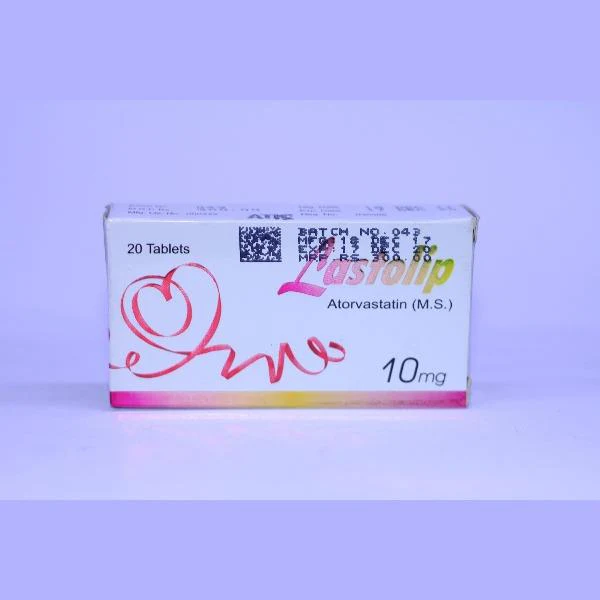
Cepol Tablet

Cepol Tablet 500mg: Uses, Dosage, Side Effects and Precautions

Askprol Tablet Introduction Cepol tablet is a widely used drug known to be effective in treating pain and fever, especially in children. In this article, we have discussed the important aspects of this tablet, including its mechanism of action, uses, and side effects. Manufactured By: Ocean Ingredients Paracetamol. It belongs to analgesics (pain relievers) and antipyretics (fever reducers). Dosage Form: Tablets How Does Cepol Tablet Work? The ingredient in this medication is paracetamol, also known as Acetaminophen, which blocks certain chemicals(prostaglandin hormones) in the brain involved in pain and fever. By reducing the production of these chemicals, this tablet relieves discomfort and helps reduce elevated body temperature, relieving those suffering from pain and fever, especially children. Cepol Tablet Uses It is used for two main purposes: Fever is caused by various factors such as infections, vaccinations, and teething problems in infants and children. It helps your child stay comfortable during fever periods by lowering body temperature. This syrup is also suitable for treating mild to moderate pain associated with headaches, toothaches, sore throats, and muscle aches. Its analgesic properties make it the first choice for caregivers seeking relief from their child’s illness. Cepol Tablet Side Effects Although Cepol tablet is generally safe when used according to recommended dosages, it can occasionally cause side effects such as: Some people may experience nausea after taking this medication. In very less cases, syrup may cause vomiting, especially if taken on an empty stomach. An Individual may experience allergic reactions such as skin rash or itching. If you experience allergy symptoms, it is important to seek medical advice. Improper or excessive use of Cepol tablet can cause serious side effects such as liver damage. It is important to follow the dosage carefully and not exceed the recommended amount. Warnings And Precautions: Inform the doctor about your medical history before using this medication. Use under the guidance of a doctor if you are allergic to it. If you are pregnant or in a breastfeeding era, use it under the strict guidance of a doctor. Don’t use it if the expiry date has passed. Because using it after the expiry date may lead to serious health issues such as liver damage, vomiting, and stomach pain. Dosage: Use according to doctor’s prescription. Overdose: If you have taken more than the normal dosage. seek medical help. In case of overdose, an individual may feel the following symptoms Nausea Vomiting Dark urine Tiredness Yellowing of skin Yellowing of eyes loss of appetite Missed Dose: In case you have missed the dose, take it if the time to the next dose is far otherwise don’t double the dose to cover the forgotten one. Storage: Keep it in a cool and dry place. Keep it away from the sun and moisture. Store it between 20°C to 25°C Keep it away from children. Don’t use after expiry date. Price In Pakistan The price of Askprol tablet in Pakistan is RS  250.00 Disclaimer: This article is just for information purposes only. Don’t take it as a doctor’s advice. Consult a doctor for a better prescription.

Cepol Tablet 500mg: Uses, Dosage, Side Effects and Precautions Read More »

Scroll to Top