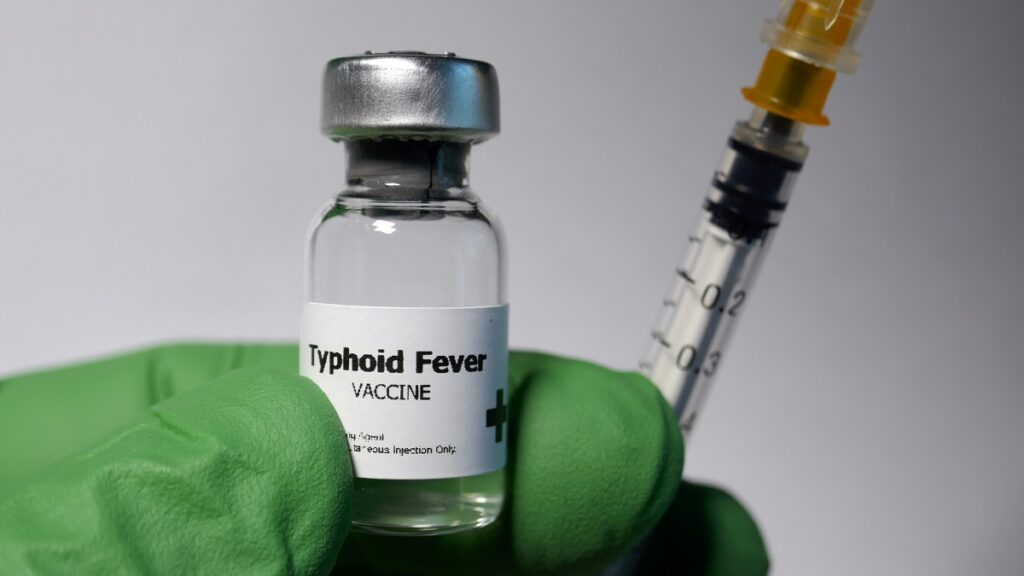
Typhoid Vaccine: Types, Benefits, and Side Effects
Typhoid fever is a serious bacterial infection caused by Salmonella enterica serotype Typhi. It remains a major health problem in places with inadequate sanitation and unsafe water, and it causes substantial illness and deaths around the world. In this detailed guide, you will learn how typhoid spreads, how the vaccines work, which type to choose, how well each one protects, and what side effects to expect. What Is Typhoid Fever? Typhoid fever spreads through food and water contaminated with the feces of an infected person. You catch it by eating or drinking something that carries the bacteria. Some people carry the bacteria in their body for a long time without feeling ill and can spread it to others. Symptoms Typhoid usually builds up slowly over one to three weeks: Complications Without treatment, typhoid can cause bleeding or a hole in the intestine, infection of the blood, and death. Doctors treat it with antibiotics, but drug-resistant strains are a growing problem. Extensively drug-resistant (XDR) typhoid has caused large outbreaks in Pakistan, which makes prevention and vaccination more important. History of the Typhoid Vaccine Typhoid vaccines go back to the late 1800s. In 1896, Almroth Edward Wright developed one of the first typhoid vaccines using heat-killed bacteria. These early vaccines gave some protection but often caused strong side effects. Modern vaccines are safer and work better. Types of Typhoid Vaccine 1. Typhoid Conjugate Vaccine (TCV) This injectable vaccine is the newest and most effective. It links a part of the bacteria (the Vi polysaccharide) to a carrier protein, which helps even babies build strong, longer-lasting immunity. Pakistan has used TCV in mass vaccination campaigns in Sindh and Punjab against drug-resistant typhoid. 2. Vi Polysaccharide Vaccine This injectable vaccine is for people aged 2 years and older. It does not work well in babies and young children. 3. Oral Vaccine (Ty21a) This live vaccine comes as capsules that you swallow. It is not available in every country, and people with weak immune systems should not take it. How Well Do They Work? No typhoid vaccine protects against everything, and no vaccine protects against other types of Salmonella. Good hygiene remains essential. Who Should Get a Typhoid Vaccine? Ask your doctor which vaccine and schedule suit you. Travelers should get vaccinated at least one to two weeks before they leave. Side Effects Most side effects last a day or two. Serious allergic reactions are rare. Seek help right away if you have trouble breathing or swelling of the face. Who Should Not Get It? Doctors may use the injectable vaccines in pregnancy if the risk of typhoid is high. Ask your doctor. How Is Typhoid Treated? Doctors treat typhoid with antibiotics such as azithromycin, ceftriaxone, or, for resistant cases, stronger antibiotics. Do not take antibiotics without a doctor’s advice. Early treatment prevents complications. How Else to Prevent Typhoid Typhoid in Pakistan Typhoid is a major health problem in Pakistan, where unsafe drinking water and poor sanitation are common. Since 2016, a strain resistant to most common antibiotics has spread in Sindh and other areas. Doctors call it extensively drug-resistant (XDR) typhoid. It does not respond to ampicillin, chloramphenicol, co-trimoxazole, ciprofloxacin, or ceftriaxone, and doctors must use stronger antibiotics such as azithromycin or carbapenems. This makes vaccination one of the most useful tools to protect children. Typhoid Carriers A small group of people carry typhoid bacteria in their gallbladder for months or years after they recover, and they may feel completely well. These carriers can spread the bacteria through food they prepare. This is why food handlers must wash their hands carefully and why doctors test people when typhoid cases appear in a household. How Doctors Diagnose Typhoid Do not start antibiotics on your own. Treatment without a test can hide the cause and lead to resistance. Typhoid Vaccine Schedule at a Glance Can Typhoid Vaccine Be Given With Other Vaccines? Yes. Doctors can give the typhoid conjugate vaccine at the same visit as other routine childhood vaccines, such as measles vaccine, in a different arm or leg. Ask your pediatrician about the best schedule for your child. Typhoid in Children Children can get typhoid at any age, and young children may have milder or unusual symptoms, such as long fever or diarrhea. Doctors advise vaccination in areas where typhoid is common, and they advise safe water, handwashing, and cooked food at home. Never give aspirin to a child with fever. Take your child to a doctor if the fever lasts more than three days. Common Myths About the Typhoid Vaccine Travel Advice If you travel to a place where typhoid is common, get vaccinated at least one to two weeks before you leave. Even after vaccination, drink bottled or boiled water, avoid ice, eat food that is cooked and served hot, and wash your hands before eating. Seek medical help if you develop a fever during or after your trip. Recovery and Follow-Up Most people with typhoid feel better within a few days of starting the right antibiotic, but full recovery can take weeks. Rest, drink plenty of fluids, and eat soft, nutritious food. Complete the whole antibiotic course. Return to the doctor if the fever comes back, if you have severe stomach pain, or if you notice black stools. Children and food handlers may need a stool test before they return to school or work. Pregnancy and Breastfeeding Typhoid in pregnancy is serious. If you live in or travel to a high-risk area, ask your doctor about vaccination. Breastfeeding mothers can receive the injectable vaccines, and the baby continues to feed normally. Frequently Asked Questions How many doses of the typhoid vaccine do I need? The conjugate vaccine needs one dose. The Vi vaccine needs one dose and a booster every two to three years. The oral vaccine needs four capsules. Which typhoid vaccine is best? The typhoid conjugate vaccine, because it works best and lasts longer. It also suits babies. Can I get typhoid after the vaccine? Yes, but it is
Typhoid Vaccine: Types, Benefits, and Side Effects Read More »