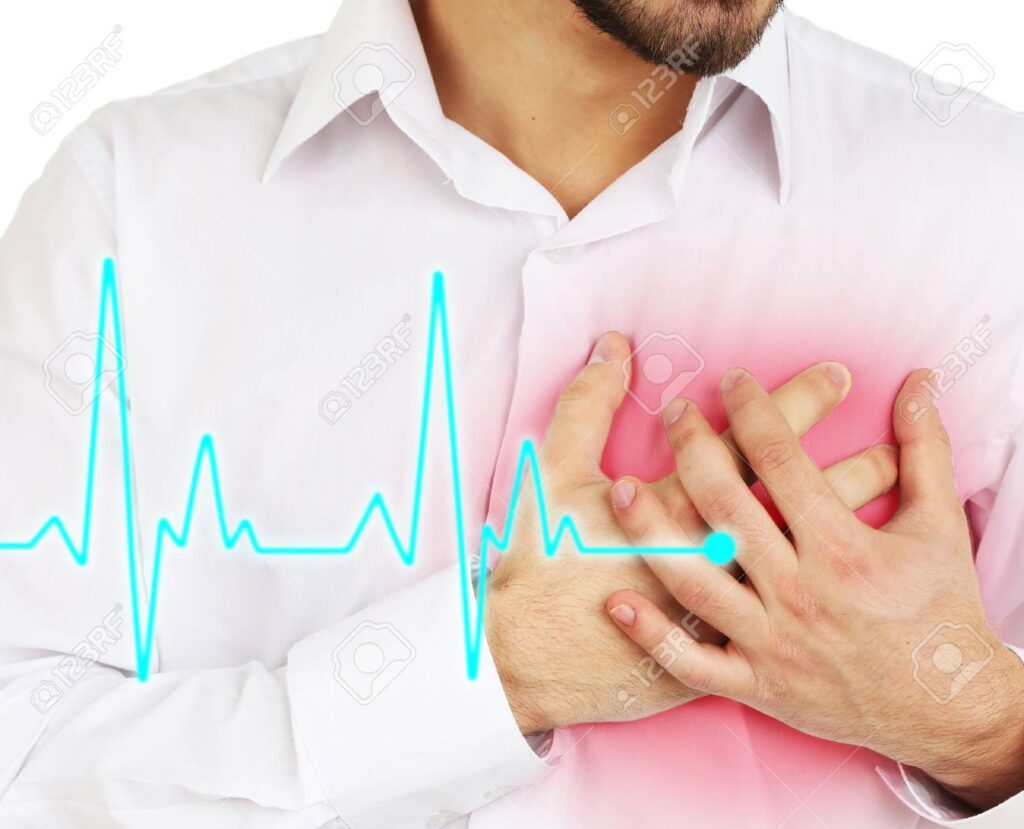
Heart Attack: Causes, Warning Signs, and Prevention
A heart attack can happen to anyone, so it helps to know what it is. In this article, you will learn what causes a heart attack, how to spot the warning signs, and how to lower your risk. What Is a Heart Attack? A heart attack, also called a myocardial infarction, happens when blood cannot reach part of the heart. A blood clot usually blocks the flow. Without oxygen, the heart muscle starts to die. The longer the blockage lasts, the more damage it causes. Causes of a Heart Attack 1. Coronary Artery Disease (CAD) Plaque builds up inside the arteries that feed the heart. Over time, the arteries become narrow. If a plaque cracks, a clot can form and block the artery completely. 2. High Blood Pressure High blood pressure damages the artery walls. Damaged arteries are more likely to collect plaque and form clots. 3. Smoking Smoking raises your blood pressure and puts harmful chemicals into your blood. These chemicals help plaque grow faster. 4. Diabetes High blood sugar harms blood vessels and nerves over time. This raises the risk of a heart attack. 5. Other Risk Factors High cholesterol, obesity, lack of exercise, an unhealthy diet, and a family history of heart disease also raise your risk. Warning Signs of a Heart Attack Knowing the signs can save a life. Watch for: If you notice these signs, call emergency services right away. Do not drive yourself to the hospital. How to Prevent a Heart Attack 1. Eat a Healthy Diet Eat plenty of fruits, vegetables, whole grains, lean protein, and low-fat dairy. Limit saturated fat, trans fat, salt, and sugar. 2. Stay Active Regular exercise helps you keep a healthy weight, controls blood pressure, and strengthens your heart. 3. Quit Smoking Stopping smoking is one of the best things you can do for your heart. Ask your doctor about programs that can help. 4. Manage Stress Yoga, meditation, and deep breathing can help lower stress. 5. Take Your Medicines and Get Check-Ups If you have high blood pressure, diabetes, or high cholesterol, take your medicines and see your doctor regularly. Final Words Heart attacks are serious, but you can lower your risk. Learn the warning signs, make healthy choices, and act fast in an emergency. FAQs 1. Can young people have heart attacks? Yes, but it is less common. Genetics or other health problems can cause it. 2. Is a heart attack the same as cardiac arrest? No. A heart attack happens when blood flow to the heart is blocked. Cardiac arrest happens when the heart suddenly stops beating. 3. Can you prevent every heart attack? No, but a healthy lifestyle greatly lowers your risk. 4. How fast should I seek help? Right away. Every minute counts during a heart attack. 5. Do men and women have different symptoms? Yes. Women are more likely to have nausea, dizziness, and unusual tiredness along with chest discomfort. Visit healthaea.com for more health-related articles.
Heart Attack: Causes, Warning Signs, and Prevention Read More »