Ibuprofen

Brufen ds syrup

Brufen Ds Syrup: Uses, Side Effects and Warnings

Overview of Brufen Ds Syrup Brufen ds syrup is a medication used for reducing pain, inflammation, and fever by inhibiting the action ofCOX-1 and COX-2 enzymes. It contains ibuprofen as an active ingredient and belongs to a drug class known as NSAID (Non‑Steroidal Anti‑Inflammatory Drugs). It should be taken as prescribed by the doctor. You may feel some common side effects such as Nausea, abdominal pain, vomiting, constipation. There are some serious side effects as well such as gastrointestinal bleeding, Kidney impairment, or allergic reactions( rashes, hives). It is not good for children under 6 months. Please use under the strict guidance of doctor if you are allergic to it. Use it with caution if you have Asthma, any type of kidney disease, or Ulcer. inform the doctor about all of your medicines you are taking becuase brufen ds syrup may interact with it. this medication may interact with Other NSAIDs (e.g., aspirin, naproxen), Anticoagulants (e.g., warfarin), Corticosteroids and many more. Ingredients It contains Ibuprofen as an active ingredient. Concentration of Ibuproen is – 200 mg per 5 mL. How Does It Work? Mechanism Brufen ds Syrup works by blocking COX-1 and COX-2 enzymes, which are responsible for converting arachidonic acid into prostaglandins—chemicals that trigger pain, fever, and inflammation. By reducing prostaglandin production, it relieves pain and swelling. However, since it also affects protective prostaglandins, it can cause stomach and kidney side effects. Uses of Brufen Ds Syrup Fever Mild pain Such as Headache Ear pain Toothache Sore throat Muscular aches Post-immunization fever and pain Inflammatory conditions Juvenile idiopathic arthritis: A chronic autoimmune disease that specially effect children under age 16 It causes  joint inflammation, pain, swelling, stiffness, and reduced movement Minor sprains: overstretching of ligaments Injuries: such as bruises, bumps, or mild falls during sport. Dosage Take it as per doctor’s instructions. Overdose If you have taken more than prescribed, Seek medical help. Missed Dose If you have missed the dose take it if the time to the next dose is far otherwise avoid taking it also please don’t double the dose as it may cause serious health problems. Brufen Ds Syrup Side Effects Common Side Effects: Nausea or vomiting Abdominal pain Diarrhea or constipation Indigestion Rare but Serious Side Effects: Gastrointestinal bleeding or ulcer Allergic reactions (rash, hives, difficulty breathing) Kidney impairment Elevated liver enzymes Seek immediate medical help if serious side effects occur. Precautions and Warnings Age Restriction: Not recommended for children under 6 months unless directed by a doctor. Medical Conditions: Use with caution in children with: Asthma Kidney or liver disease Stomach ulcers or bleeding disorders Allergies: Contraindicated in children allergic to ibuprofen or other NSAIDs. Hydration: Ensure adequate fluid intake during use, especially during illness. Drug Interactions Brufen DS may interact with: Other NSAIDs (e.g., aspirin, naproxen) – increases risk of GI bleeding Anticoagulants (e.g., warfarin) – increased bleeding risk Antihypertensives – may reduce effectiveness Methotrexate and Lithium – increased toxicity Corticosteroids – increased GI risk Storage Store below 25°C (77°F) Store it in a dry place. Keep it away from children and pets. Protect from light and moisture. Check expiration date before use. Disclaimer This article is for information pruposes only. please don’t take it as medical advice.

Brufen Ds Syrup: Uses, Side Effects and Warnings Read More »

Advil tablet

Advil tablet: Uses, Dosage, Side Effects, and Warnings

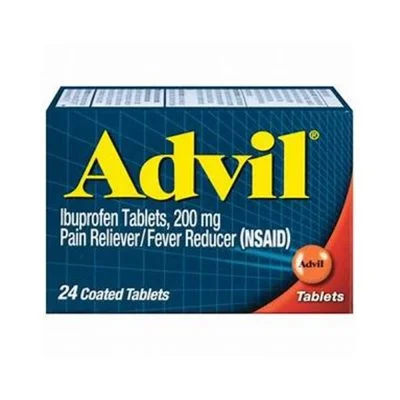
Introduction Advil tablet is a Nonsteroidal anti-inflammatory drug (NSAID) that is often recommended by doctors to treat or relieve pain, lower fever, and reduce inflammation. Generic Name Ibuprofen Dosage Form Tablets Ingredients It contains Ibuprofen as an active ingredient. In this medication, the strength of dosage is typically 200mg. How Does Advil Tablet Work? Mechanism: In our body, there are chemicals known as prostaglandins which are responsible for causing inflammation, pain, and fever in our body. This medication prevents the production of these chemicals by inhibiting the production or levels of prostaglandins, Advil helps to relieve symptoms like pain and inflammation. Uses Of Advil Tablet Reduce Inflammation: It reduces inflammation and swelling especially those associated with rheumatoid arthritis and osteoarthritis. It also treats inflammation related to injury. Pain Relief: It is used to treat pain especially mild to moderate headaches and reduce the intensity of migraines. Fever Reduction: Advil reduces fever as well both in children and adults. Dosage Take it as prescribed by a doctor. Overdose If you have taken more than the recommended. Seek medical help. Missed Dose If you have missed a dose take it as soon as possible otherwise don’t double the dose to cover the missed one. Off-Label Uses Using medication for those health conditions for which the medication is not approved officially is known as off-label uses. Active arthritis Acute gout Pericarditis Migraine prevention Side Effects of Advil Tablet Common Side Effects Heartburn Diarrhea or constipation Rash Stomach pain Dizziness Headache Nausea Serious Side Effects Bleeding Sweating Upset stomach, vomiting Experiencing sudden weakness on one side of your body Trouble in understanding speech Pain in the different parts of the body such as the back, jaw, arm, or throat Warnings and Precautions Some warnings and precautions before taking this medication. Take it with caution or under strict guidance from the doctor if you are pregnant or in the breastfeeding era. It may interact with other medications, So Inform the doctor about the medication you are already taking. Inform the doctor about your health history such as Heart problems, Bleeding problems, Kidney or liver problems, Asthma, or High blood pressure. Don’t take it if you are allergic to Advil tablets. Don’t take this medicaiton before or after a Coronary artery bypass graft (CABG) . Drug Interaction Advil tablet may interact with the following medications Blood thinners: Those medicines used to prevent blood clots or increase blood bleeding such as Warfarin, Coumadin, and Jantoven. Corticosteroids: These medicines are used to treat certain inflammatory conditions. Pemetrexed: Medicines that are used for certain cancers such as Alimta, and Pemfexy. Digoxin: This is a medicine used to treat heart failure or certain abnormal heart rhythms. Lithium:  A type of medicine used to treat conditions related to Mental health. Storage Store it at room temperature (between 20°C to 25°C) Keep it away from children and pets. Keep it away from moisture and heat. Disclaimer This article is for information purposes only don’t take it as medical advice. It may lack some information so please use Advil tablet according to the doctor’s advice.

Advil tablet: Uses, Dosage, Side Effects, and Warnings Read More »

Scroll to Top