Osteoporosis: Causes, Symptoms, Prevention, and Treatment
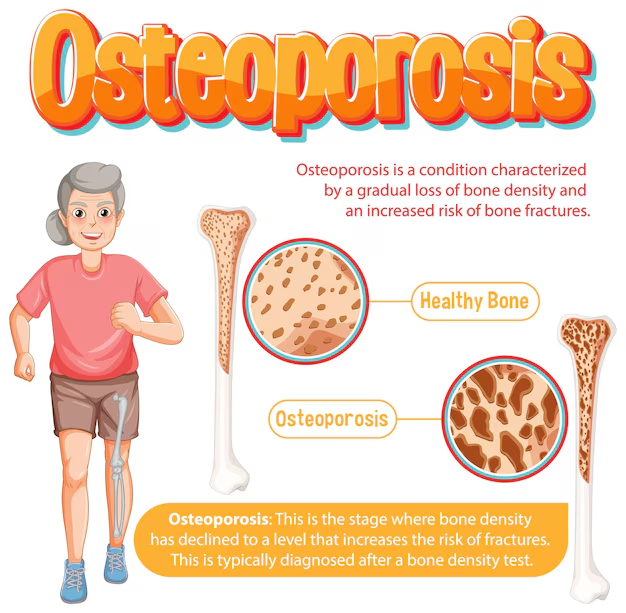
Osteoporosis is a bone disease that makes your bones weak, thin, and fragile. The word means “porous bones.” You usually do not feel it happening, and many people find out only after a bone breaks. In this detailed guide, you will learn how your bones change with age, what causes osteoporosis, how doctors diagnose and treat it, and what you can do every day to protect your bones. What Is Osteoporosis? Your bones are living tissue. Throughout life, your body breaks down old bone and builds new bone in a process called remodeling. In childhood and your teens, you build bone faster than you lose it. You reach your peak bone mass at about age 30. After that, you slowly lose bone. In osteoporosis, bone loss is faster than bone building. The inside of the bone becomes full of holes, like a honeycomb with larger spaces, and the bone can break from a minor fall, a cough, or even bending over. Doctors often call it the “silent disease,” because it causes no pain until a fracture happens. The most common fractures happen in the hip, spine, and wrist. A broken hip can lead to long hospital stays and loss of independence, and it is more dangerous for older adults. According to the World Health Organization (WHO), osteoporosis affects millions of people around the world, and the number grows as populations age. Osteopenia Osteopenia means your bone density is lower than normal but not low enough to be called osteoporosis. It is a warning sign. With healthy habits and, in some cases, treatment, many people can stop it from getting worse. Types of Osteoporosis Causes and Risk Factors Risk Factors You Cannot Change Risk Factors You Can Change Medical Conditions and Medicines Symptoms of Osteoporosis Early osteoporosis usually has no symptoms. Signs that appear later include: Osteoporosis in Men Osteoporosis affects men too, although later in life. About one in five fractures from osteoporosis happens in men. Low testosterone, steroid use, heavy drinking, and smoking raise the risk. How Doctors Diagnose Osteoporosis Who Should Be Tested? Treatment of Osteoporosis Doctors treat osteoporosis to prevent fractures. Treatment includes medicines, nutrition, exercise, and fall prevention. Medicines Doctors review treatment regularly, and some people take a “drug holiday” after several years. Calcium and Vitamin D Good Food Sources of Calcium Protein and Other Nutrients Your bones also need protein, vitamin K, and magnesium. Eat enough eggs, lentils, beans, fish, and vegetables. Exercise for Strong Bones How to Prevent Falls Most fractures happen in falls, so fall prevention matters as much as medicine. How to Prevent Osteoporosis Living With Osteoporosis A diagnosis does not mean that you will break a bone. With treatment, exercise, and a safe home, many people stay active and independent. Take your medicines as prescribed, keep your follow-up appointments, and repeat your bone scan as your doctor advises, usually every one to two years. When to See a Doctor See a doctor if you break a bone easily, lose height, develop new back pain, or have risk factors for osteoporosis, mainly if you are over 50. Complications of Osteoporosis The main danger of osteoporosis is fracture, and fractures can change life: Questions to Ask Your Doctor Frequently Asked Questions Can osteoporosis be cured? No, but medicines, nutrition, and exercise can stop bone loss and, in some cases, build new bone. Is osteoporosis painful? Not until a bone breaks. Spine fractures can cause back pain. Can young people get osteoporosis? It is rare, but eating disorders, steroid use, and some diseases can cause it. Does drinking milk prevent osteoporosis? Milk helps, but you also need vitamin D, exercise, and other nutrients. How often should I have a bone density test? Usually every one to two years if you have osteoporosis or take treatment. Ask your doctor. Disclaimer: This article is for information only. It is not medical advice. Please talk to your doctor about your own health.
Osteoporosis: Causes, Symptoms, Prevention, and Treatment Read More »