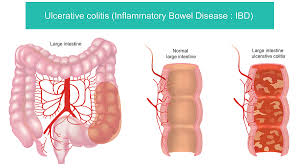
Ulcerative Colitis: Symptoms, Causes, and Treatment
Ulcerative colitis is a long-term condition that inflames the colon and rectum. Symptoms come and go, and the disease can affect your work, sleep, and daily life. In this detailed guide, you will learn what ulcerative colitis is, what causes it, how doctors diagnose it, and how they treat it, along with diet tips and warning signs. For more reading, see WebMD and Mayo Clinic. What Is Ulcerative Colitis? In ulcerative colitis, the inner lining of your large intestine (colon) and rectum becomes inflamed and develops ulcers. The ulcers can bleed and produce pus and mucus. It is one of the two main types of inflammatory bowel disease (IBD). The other is Crohn’s disease. Ulcerative colitis usually starts in the rectum and spreads up the colon in a continuous pattern. It affects only the inner lining of the bowel. The condition can start at any age, but most people are diagnosed between ages 15 and 35, and a smaller group is diagnosed after 60. Symptoms of Ulcerative Colitis Symptoms depend on how much of the colon is inflamed and how severe the inflammation is. Bowel Symptoms General Symptoms Symptoms Outside the Bowel Inflammation can also affect other parts of the body: Symptoms come and go. During remission, symptoms fade, but the risk of a new flare remains. How Severe Is It? Severe disease needs urgent hospital care. Causes of Ulcerative Colitis Doctors do not know the exact cause. They believe several factors work together: Possible Triggers of Flares Is Ulcerative Colitis an Autoimmune Disease? Doctors call it an immune-mediated inflammatory disease. The immune system plays a major role in the inflammation. Experts still debate whether it meets every definition of an autoimmune disease, because researchers have not found one clear target that the immune system attacks. Types of Ulcerative Colitis Doctors group it by the area it affects: Ulcerative Colitis vs. Crohn’s Disease Possible Complications How Doctors Diagnose It Treatment of Ulcerative Colitis There is no cure with medicine, but treatment can control symptoms and keep the disease in remission. The goal is to stop inflammation, heal the lining, and prevent flares. Aminosalicylates (5-ASA) Medicines such as mesalamine reduce inflammation in mild to moderate disease. They come as tablets, suppositories, and enemas. Corticosteroids Doctors use them for short periods to calm moderate to severe flare-ups. They are not suitable for long-term use because of side effects such as weight gain, bone loss, and high blood sugar. Immunomodulators Medicines such as azathioprine and 6-mercaptopurine lower the immune response. They take weeks to work. Biologics and Targeted Medicines These treat moderate to severe disease. Doctors screen for infections such as tuberculosis before they start them. Surgery Doctors may remove the colon in severe cases, when medicine fails, or when cancer risk is high. Removing the colon cures the disease in the bowel. Most people then have a pouch made from the small intestine, or an ileostomy. Diet and Lifestyle Tips No diet cures ulcerative colitis, but food choices can ease symptoms. Colon Cancer Screening People with ulcerative colitis have a higher risk of colon cancer after about eight to ten years. Your doctor will advise regular colonoscopies to check for early changes. Living With Ulcerative Colitis Most people live full lives with proper treatment. Take your medicines even when you feel well, keep your check-ups, and tell your doctor about any change. Support groups can help. Women with ulcerative colitis can usually have healthy pregnancies, and it is best to plan pregnancy when the disease is in remission. When to Get Emergency Help Go to the hospital right away if you have severe belly pain, heavy bleeding, a high fever, a very fast heartbeat, a swollen belly, or signs of dehydration, such as dizziness and very little urine. Taking Your Medicines Well Ulcerative Colitis in Children and Older Adults Children with ulcerative colitis may grow slowly or have delayed puberty, so a pediatric gastroenterologist should manage their care. Older adults may be more sensitive to medicine side effects and need extra care with infections and bone health. Emotional Health and Ulcerative Colitis Living with a long-term illness can cause stress, anxiety, and low mood. Embarrassment about urgent bowel movements can make people avoid social events. Talk to your doctor, a counselor, or a support group. Good mental health helps you manage the disease. Questions to Ask Your Doctor When to Call Your Doctor Call your doctor if your symptoms return, if you see blood in your stool more often, or if you have a fever, weight loss, or new joint or eye pain. Early treatment prevents flares from becoming severe. Frequently Asked Questions Can ulcerative colitis be cured? No medicine cures it, but surgery to remove the colon cures the disease in the bowel. Treatment keeps most people in remission. Is ulcerative colitis hereditary? Genes play a role, but most people with a relative who has IBD do not develop it. Does stress cause ulcerative colitis? Stress does not cause it, but it can trigger flares. Can ulcerative colitis cause cancer? It raises the risk of colon cancer over time, so regular colonoscopies matter. Which foods should I avoid? It varies. Keep a food diary and avoid the foods that trigger your symptoms. Disclaimer: This article is for information only. It is not medical advice. Please talk to your doctor about your own health.
Ulcerative Colitis: Symptoms, Causes, and Treatment Read More »