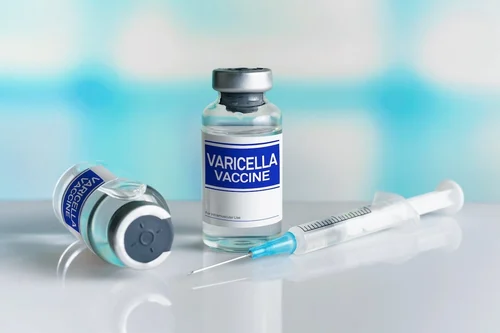
Chickenpox (Varicella) Vaccine: Benefits, Dosage, and Safety
The chickenpox vaccine protects you against the varicella-zoster virus, which causes chickenpox. Chickenpox spreads very easily and can lead to serious problems, mainly in adults, pregnant women, newborns, and people with weak immune systems. In this detailed guide, you will learn what chickenpox is, how the vaccine works, who should get it, how many doses you need, its side effects, and when you should not have it. What Is Chickenpox? Chickenpox is a viral infection that causes an itchy, blister-like rash, fever, and tiredness. A person with chickenpox is contagious from one to two days before the rash appears until all blisters have formed scabs, usually about five to seven days later. The virus spreads through coughs, sneezes, and direct contact with the blister fluid. About 90 percent of people who are close to an infected person and have no immunity catch it. Symptoms Symptoms usually appear 10 to 21 days after contact. Possible Complications Chickenpox is often mild in children, but it can cause: How Does the Vaccine Work? The vaccine contains a weakened (live) form of the virus. It teaches your immune system to recognize and fight the virus without causing the full illness. Your body then makes antibodies that protect you if you meet the real virus. Doctors sometimes combine it with the measles, mumps, and rubella vaccine (MMRV). Vaccine Brands and Types Several brands exist, including Varivax and Varilrix. The MMRV combination (such as ProQuad) gives protection against four diseases in one shot. The exact brands available depend on your country, so ask your doctor. History of the Chickenpox Vaccine Japanese scientist Michiaki Takahashi developed the vaccine in the 1970s using the Oka strain of the virus. Several countries began using it in the 1990s. In the United States, routine childhood vaccination began in 1995 and has cut hospital stays and deaths from chickenpox sharply. Many countries now include it in their routine schedule. Who Should Get the Vaccine? You count as immune if you have written proof of two doses, proof of past chickenpox from a doctor, or a positive blood test. Ask your doctor or local immunization program about availability and the schedule that suits you. Vaccine After Contact With Chickenpox If a person without immunity meets someone with chickenpox, the vaccine given within three to five days (the sooner, the better) can prevent the disease or make it milder. Doctors may also give antibody injections to high-risk people who cannot get the vaccine. How Well Does It Work? Protection is long-lasting, and booster doses are not needed for healthy people. Side Effects Most side effects are mild and short: Serious side effects are rare. They include: Who Should Not Get the Vaccine? Tell your doctor about all your medical conditions before the shot. Chickenpox Vaccine and Shingles The vaccine strain can also stay in the body, but it is less likely than natural chickenpox to cause shingles later in life. Adults over 50 can get a separate shingles vaccine. Why Not Let Children Catch Chickenpox Naturally? Some people think it is better to get chickenpox as a child. This is risky. You cannot predict who will get severe disease, and even healthy children can have serious complications. The vaccine gives protection with far fewer risks and also protects people who cannot be vaccinated. Chickenpox Vaccine in Pakistan In many countries, including Pakistan, the chickenpox vaccine is not part of the routine government schedule, and families usually buy it from private clinics. Ask your pediatrician about the schedule and where to get it. How to Care for a Child With Chickenpox If your child gets chickenpox: High-risk patients may need an antiviral medicine, such as acyclovir, started early. Chickenpox in Pregnancy and Newborns Chickenpox during pregnancy can cause pneumonia in the mother. Infection in early pregnancy can rarely harm the baby, and infection around delivery can cause severe disease in the newborn. A pregnant woman without immunity who meets someone with chickenpox should call her doctor right away. Doctors can give protective antibodies. Women who plan pregnancy should check their immunity first. Common Myths About the Chickenpox Vaccine Chickenpox Vaccine and Breastfeeding You can breastfeed after you get the vaccine. The vaccine virus does not pass into breast milk in a way that harms the baby. Ask your doctor if the baby is premature or has a weak immune system. Tips for the Day of the Vaccine Frequently Asked Questions How many chickenpox vaccine doses are needed? Two doses give the best protection. Can adults get the chickenpox vaccine? Yes. Adults without immunity need two doses, four to eight weeks apart. Can I get chickenpox after the vaccine? Yes, but it is usually much milder. Is the chickenpox vaccine safe in pregnancy? No. It is a live vaccine. Avoid it in pregnancy and wait one month after the shot before trying to conceive. How long does the vaccine last? Protection is long-lasting, and healthy people do not usually need a booster. Can the vaccine cause chickenpox? Rarely, a mild rash with a few spots appears. Severe disease from the vaccine is extremely rare. Disclaimer: This article is for information only. It is not medical advice. Please talk to your doctor about your own health.
Chickenpox (Varicella) Vaccine: Benefits, Dosage, and Safety Read More »