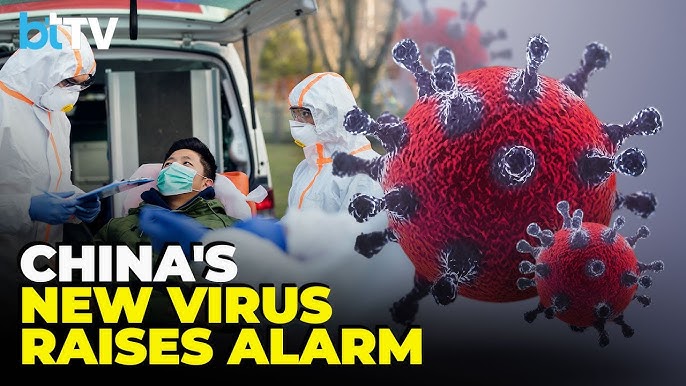
Human metapneumovirus (HMPV) is a common respiratory virus. In early 2025, news about rising HMPV cases in China caused worry around the world. Health authorities explained that HMPV is a known virus that circulates every year, mostly in winter and spring. In this detailed guide, you will learn what HMPV is, how it spreads, its symptoms, who is at risk, how doctors diagnose and treat it, and how to protect yourself and your family. What Is Human Metapneumovirus (HMPV)? HMPV is a virus that infects the nose, throat, and lungs. Scientists first identified it in 2001 in the Netherlands, but studies of old blood samples show that it has circulated for at least 60 years. It belongs to the same family of viruses as respiratory syncytial virus (RSV). By age 5 to 10, most children have been infected at least once, and adults can get it again because immunity does not last long. HMPV can infect people of all ages. It is most worrying for young children, older adults, and people with weak immune systems. Why Did HMPV Make the News? In January 2025, reports of rising respiratory illness in northern China spread on social media, and many people feared a new pandemic. Chinese and international health agencies, including the World Health Organization, said that respiratory infections rise every winter, and that HMPV was one of several viruses that circulate. They did not report a new virus or an unusual emergency. The episode shows why reliable information matters. How Does HMPV Spread? People are most contagious when they have symptoms, and some may spread the virus for a few days longer. The virus peaks in late winter and early spring in temperate regions. Symptoms of HMPV Symptoms usually start three to six days after infection and look like a cold or the flu: Most people recover in two to ten days. A cough can last longer. Severe Illness In some people, HMPV spreads to the lower airways. It can cause: Severe disease can need hospital care with oxygen. HMPV vs. Cold, Flu, COVID-19, and RSV These illnesses cause similar symptoms, and only a test can tell them apart. In general: Who Is at Risk of Severe HMPV Infection? How Is HMPV Diagnosed? Many mild cases are never tested, because the result would not change care. Treatment of HMPV No specific antiviral medicine or vaccine exists for HMPV yet. Treatment helps your body fight the infection and eases symptoms. Home Care Hospital Care Severe cases may need oxygen, fluids through a vein, and breathing support. Antibiotics do not treat viruses, but doctors give them if a bacterial infection develops on top of HMPV. Complications How Long Does HMPV Last? Most people feel better in a week. A cough or wheeze can last two to three weeks, especially in children and people with asthma. You can catch HMPV more than once in your life, and later infections are usually milder. How to Prevent HMPV Protecting Babies and Older Adults When to See a Doctor Get medical help quickly if you or your child has: Common Myths About HMPV HMPV in Children: What Parents Should Know HMPV is one of the common causes of bronchiolitis and pneumonia in young children. A child with a mild infection has a runny nose, cough, and low fever, and still plays and drinks. A child who needs help may show: For babies, clear the nose with saline drops and gentle suction before feeds, keep them upright, and offer small, frequent feeds. Never give cough or cold medicines to children under 4 years unless a doctor advises it. HMPV and Older Adults Older adults, mainly those with heart or lung disease, can develop pneumonia or see their condition worsen after HMPV. Care homes and hospitals sometimes see outbreaks. Older adults should rest, drink fluids, and call a doctor early if they have trouble breathing, confusion, or a fever that lasts. HMPV in Pregnancy Pregnant women usually have the same mild illness as other adults. Because pregnancy can make respiratory infections more serious, call your doctor if you have trouble breathing, a high fever, or chest pain. Paracetamol is generally the preferred medicine for fever in pregnancy. Ask your doctor before you take anything else. How Do Health Authorities Track HMPV? Many countries track respiratory viruses through sentinel clinics and labs. They test samples from patients with flu-like illness and report which viruses are rising. These reports help hospitals prepare for busy seasons. When you read about a rise in cases, check the report from your national health authority or the World Health Organization. Home Care Checklist Frequently Asked Questions Is HMPV dangerous? Most people recover at home. It can be serious in babies, older adults, and people with weak immune systems. Is there a vaccine for HMPV? No approved vaccine exists yet, but researchers are working on one. Is HMPV the same as COVID-19? No. They are different viruses, although some symptoms look alike. How is HMPV different from RSV? They belong to the same family and cause similar illness, but they are different viruses. Can adults get HMPV? Yes. Adults can get it many times, usually with mild symptoms. How long is HMPV contagious? People are contagious while they have symptoms, usually about a week. Disclaimer: This article is for information only. It is not medical advice. Please talk to your doctor about your own health.