Author name: Muhammad waseem

welcome to Healthaea.

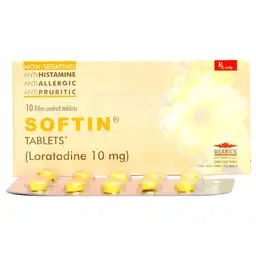
https://www.dvago.pk/p/softin-tablets-1x10s

Softin Tablets (Loratadine): Uses and Side Effects

Doctors often recommend Softin tablets to treat allergy symptoms such as sneezing, watery eyes, and itching. Werrick Pharmaceuticals makes these tablets. In this article, you will learn what Softin does, its side effects, and how to use it safely. Ingredients Softin tablets contain loratadine, an antihistamine. Loratadine blocks histamine, the chemical your body releases during an allergic reaction. Uses of Softin Tablets Side Effects of Softin Tablets Warnings and Precautions Important Information Loratadine is a long-acting antihistamine, so one tablet can relieve symptoms for 24 hours. Take one tablet once a day. You can take it at any time of day, but try to take it at the same time each day. Disclaimer: This article is for information only. It is not medical advice. Please talk to your doctor about your own health. Visit healthaea.com for more health-related articles.

Softin Tablets (Loratadine): Uses and Side Effects Read More »

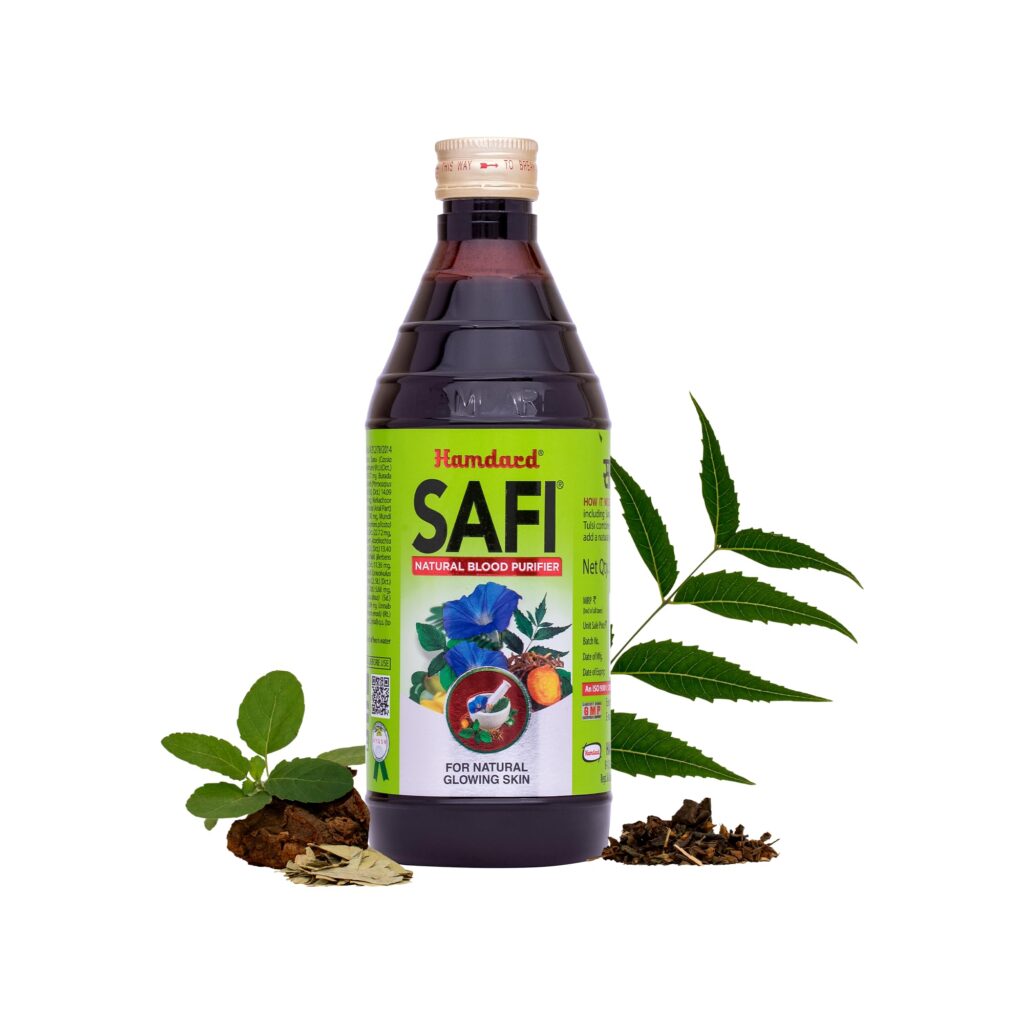
A picture of Safi syrup from amazon

Safi Syrup: Uses, Ingredients, and Side Effects

Safi syrup is a herbal product made by Hamdard Laboratories (Waqf). It contains natural ingredients such as neem, senna, and kikar (babul), along with other herbs. In this article, you will learn what people use it for and what side effects to watch for. Disclaimer: This article is for information only. It is not medical advice. Please talk to your doctor about your own health. Uses of Safi Syrup Hamdard markets Safi as a traditional herbal tonic. People commonly use it for: Scientific studies have not fully proven all of these benefits, so talk to a doctor if your skin problem is severe or does not go away. Safi Syrup Side Effects Precautions Visit healthaea.com for more health-related articles.

Safi Syrup: Uses, Ingredients, and Side Effects Read More »

Image by jcomp on Freepik

How to Reduce Anxiety and Depression: Simple Steps That Help

Anxiety and depression affect millions of people. According to the World Health Organization (WHO), about 301 million people live with an anxiety disorder. In this article, you will learn how to reduce anxiety and depression through lifestyle changes, therapy, and medicine. How to Reduce Anxiety and Depression You can manage anxiety by changing your daily habits, using therapy, and taking medicine when a doctor recommends it. Change Your Lifestyle Exercise Regularly Exercise for 30 to 40 minutes at a moderate pace on most days. Exercise releases hormones called endorphins, which make you feel good. Get Enough Sleep Sleep for seven to eight hours each night. Good sleep keeps your cortisol level in check. High cortisol is linked to more anxiety. Manage Stress Stress makes anxiety worse. Try meditation, relaxation exercises, deep breathing, and daily physical activity. Cutting down on caffeine can help too. Talk to Someone Share how you feel with a friend or family member you trust. You do not have to cope alone. Medicines for Anxiety Doctors may prescribe: Therapy Cognitive behavioral therapy (CBT) helps you notice and challenge negative thoughts that increase anxiety. It also teaches coping skills for stressful situations. When to Get Help See a health professional if anxiety or low mood lasts for weeks or affects your work, sleep, or relationships. If you ever think about harming yourself, contact emergency services or a crisis line right away. Disclaimer: This article is for information only. It is not medical advice. Please talk to your doctor about your own health. Visit healthaea.com for more health-related articles.

How to Reduce Anxiety and Depression: Simple Steps That Help Read More »

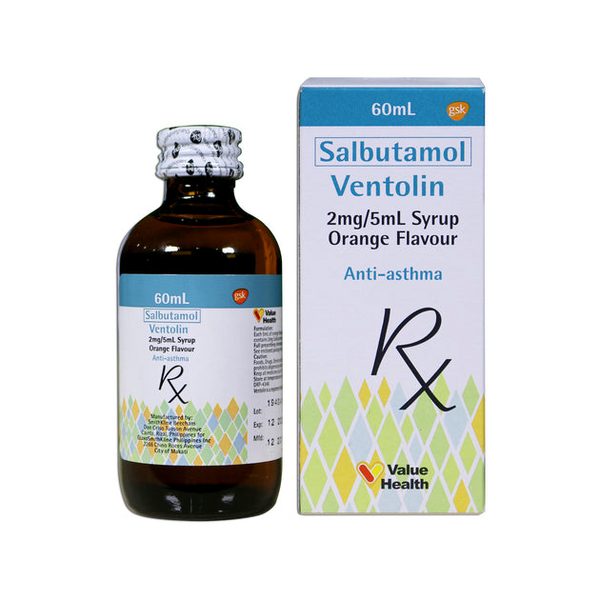
https://medsgo.ph/prescription-medicines/respiratory/ventolin-salbutamol-2mg-5ml-syrup-60ml/

Ventolin Syrup: Uses, Side Effects, and Safety Tips

Doctors often recommend Ventolin syrup for people with asthma. It also helps with other breathing problems, such as chronic obstructive pulmonary disease (COPD). In this article, you will learn how it works, what it treats, and what side effects it may cause. Ingredients Ventolin syrup contains salbutamol. Salbutamol belongs to a group of medicines called bronchodilators. How Ventolin Syrup Works Bronchodilators relax the muscles around your airways. The airways open up, and you can breathe in and out more easily. Uses of Ventolin Syrup Doctors use this syrup to treat breathing problems caused by asthma and chronic obstructive pulmonary disease (COPD). Both conditions narrow the airways in the lungs, and a bronchodilator helps open them. Dosage of Ventolin Syrup The right dose depends on age, weight, and the condition being treated. Doctors give different doses to adults and to children of different ages. Follow your doctor’s advice or the label on the bottle, and use the measuring cup or spoon that comes with the syrup. Side Effects of Ventolin Syrup Possible side effects include: Seek urgent medical help if you have a rash, swelling, chest pain, or if your breathing gets worse after taking it. Important Information Disclaimer: This article is for information only. It is not medical advice. Please talk to your doctor about your own health. Visit healthaea.com for more health-related articles.

Ventolin Syrup: Uses, Side Effects, and Safety Tips Read More »

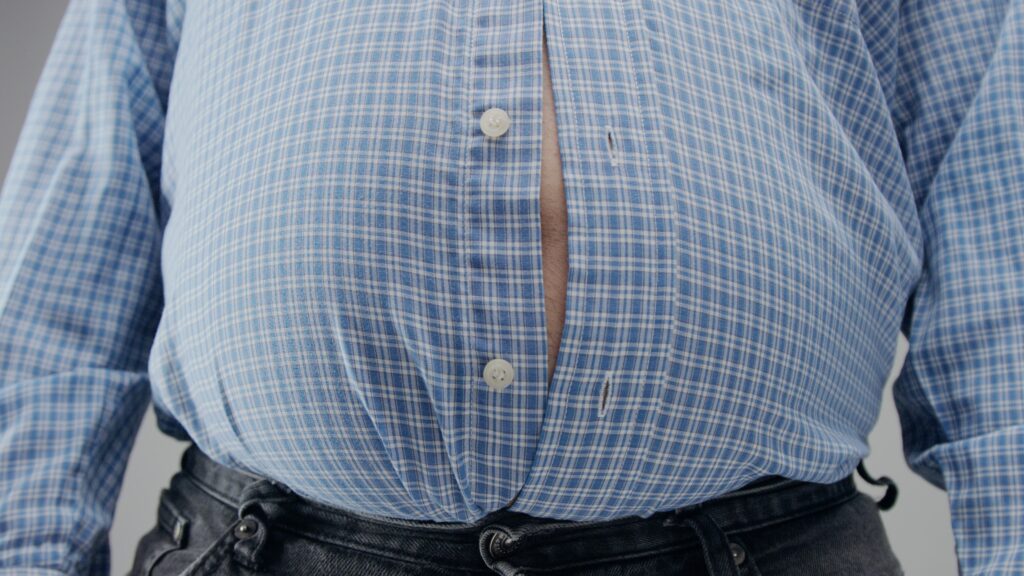
Image by Anastasia Kazakova on Freepik

Obesity: Causes, BMI, and How to Treat It

Obesity is a medical condition in which your body stores too much fat. It affects millions of people around the world and raises the risk of other health problems. In this article, you will learn how to measure it, what causes it, and how to treat it. What Is Obesity? Obesity means that excess body fat has built up and can harm your health. It increases the risk of heart disease, type 2 diabetes, high blood pressure, and some cancers. How to Calculate BMI (Body Mass Index) You can calculate BMI with a simple formula: divide your weight in kilograms by your height in meters squared. Formula: BMI = weight (kg) / height (m)² Here is how doctors read the result: Experts suggest lower cut-offs for South Asian people, who may face health risks at a lower BMI. A BMI of 23 or more may already count as overweight. Why Do People Develop Obesity? Lack of Sleep When you do not sleep enough, your body changes the levels of leptin and ghrelin, the hormones that control hunger. You feel hungrier and gain weight more easily. Lack of Physical Activity If you do not move much, your body burns fewer calories than you eat. The extra calories turn into fat. Unhealthy Food Junk food and sugary drinks add many calories but few nutrients, so they make you gain weight. How to Treat Obesity Change Your Lifestyle Focus on your diet. Eat fruits, vegetables, and lean protein such as fish and beans. Avoid junk food and sugary drinks such as soda. A healthy diet also lowers your risk of heart disease and type 2 diabetes. Be physically active. Aim for at least 150 minutes of moderate activity each week. Some experts, including The American College of Sports Medicine, suggest 250 minutes or more a week for weight loss. Medical Treatment If diet and exercise do not work, your doctor may suggest medical treatment. The two main options are medicine and bariatric surgery. Medication The US Food and Drug Administration (FDA) approves some medicines for people with a BMI of 30 or higher, or a BMI of 27 or higher with a weight-related condition. Examples include Zepbound and orlistat. A doctor must prescribe and monitor them. Bariatric Surgery Bariatric surgery is usually for people with a BMI of 40 or higher, or 35 or higher with serious health problems. Doctors recommend it only for severe obesity. The three main types are: Disclaimer: This article is for information only. It is not medical advice. Please talk to your doctor about your own health. Visit healthaea.com for more health-related articles.

Obesity: Causes, BMI, and How to Treat It Read More »

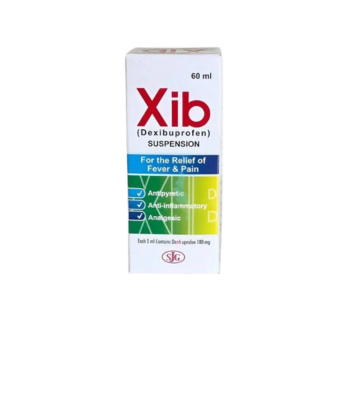
pic by https://pocketpharma.pk/product/xib-syrup/

Xib Syrup: Ingredients, Uses, and Side Effects

Doctors often recommend Xib syrup for people with respiratory problems. In this article, you will learn about its ingredients, uses, and side effects. Manufactured by: SJ & G Fazul Ellahie (Pvt.) Ltd. Dosage Take Xib syrup exactly as your doctor directs. Do not change the amount on your own. Ingredients According to the product details, Xib syrup contains: Always check the ingredient list on your own bottle, because formulas can change. Uses of Xib Syrup Side Effects of Xib Syrup Precautions Disclaimer: This article is for information only. It is not medical advice. Please talk to your doctor about your own health. Visit healthaea.com for more health-related articles.

Xib Syrup: Ingredients, Uses, and Side Effects Read More »

Image by brgfx on Freepik

Stroke: Types, Symptoms, Treatment, and Prevention

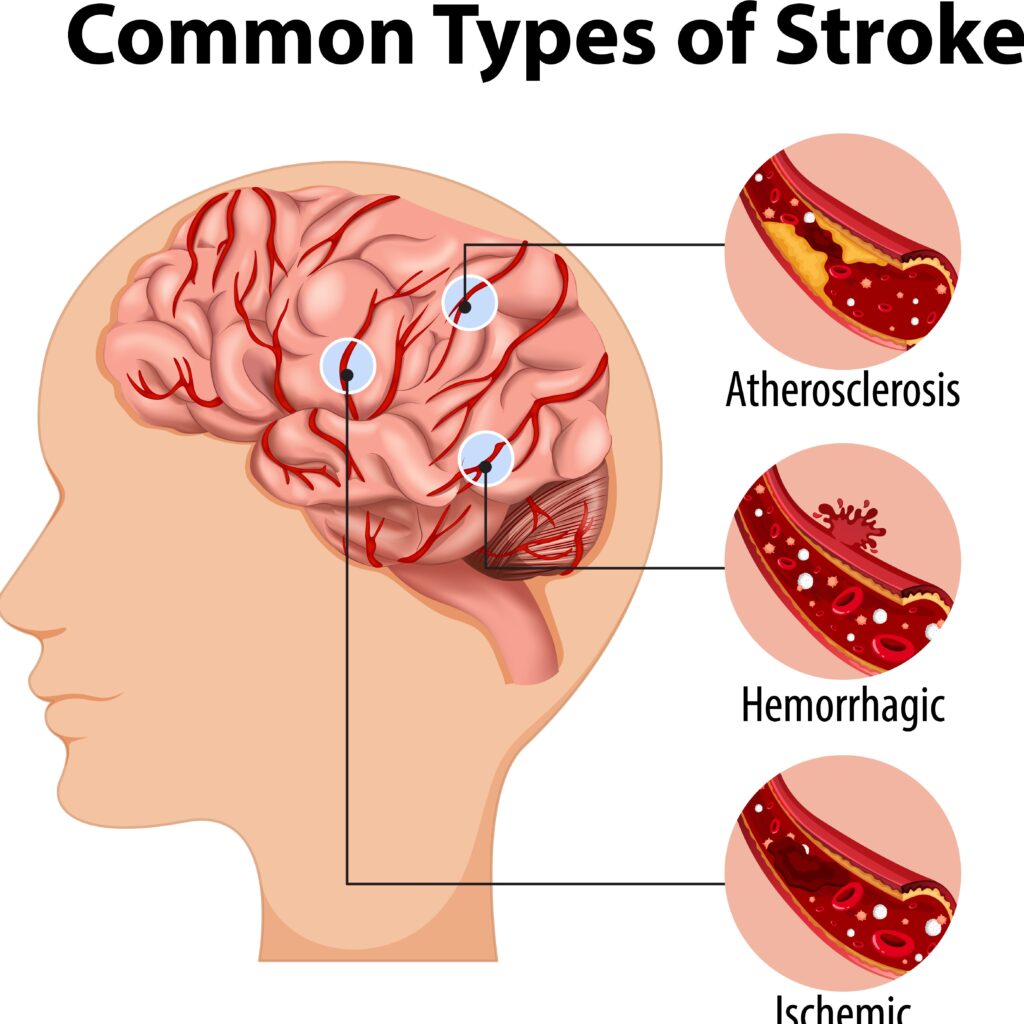
A stroke is a medical emergency. It happens when blood cannot reach part of the brain, so brain cells start to die from lack of oxygen and nutrients. In this article, you will learn the types of stroke, its symptoms, and its treatment. Types of Stroke There are two main types of stroke. 1. Ischemic Stroke An ischemic stroke happens when a blood vessel in the brain narrows or becomes blocked, usually by a clot. Brain cells then lose their blood and oxygen supply and die. Most strokes are of this type. 2. Hemorrhagic Stroke A hemorrhagic stroke happens when a blood vessel in the brain bursts. High blood pressure and weak spots in the vessel walls are common causes. Transient Ischemic Attack (TIA) A TIA is often called a mini-stroke. A clot blocks blood flow for a short time, and the symptoms go away within minutes or hours. A TIA is a serious warning sign, so see a doctor right away. Symptoms of Stroke Watch for these signs: Use the FAST test: check for Face drooping, Arm weakness, and Speech difficulty, and call emergency services Time it happens. Every minute counts. Diagnosis Doctors use blood tests, an ECG, a CT scan, and an MRI to find the type of stroke and decide on treatment. Treatment of Stroke Treatment depends on the type of stroke. How to Lower Your Risk Control your blood pressure, quit smoking, stay active, eat a healthy diet, and manage diabetes and cholesterol. Visit healthaea.com for more health-related articles.

Stroke: Types, Symptoms, Treatment, and Prevention Read More »

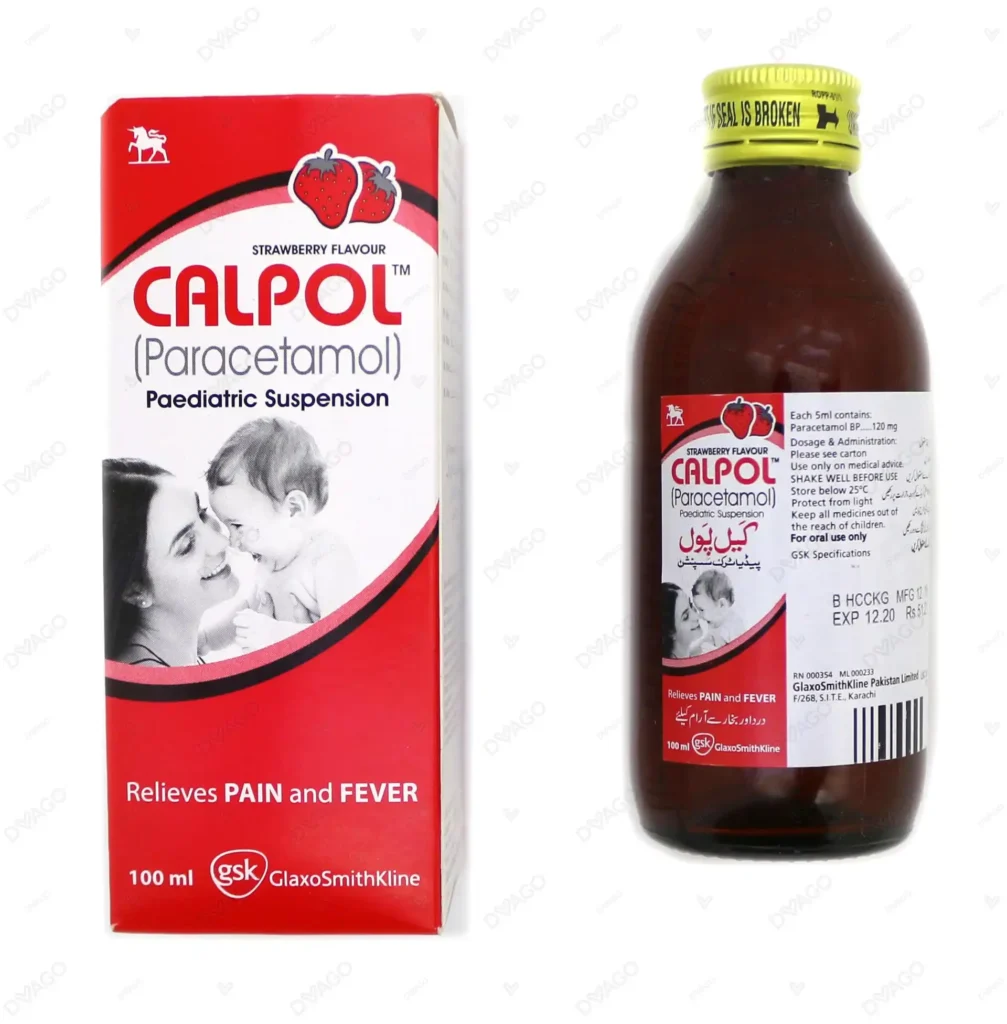
Calpol syrup

Calpol Syrup: Uses, Safe Use, and Side Effects

Calpol syrup is a popular medicine for fever and pain, especially in children. In this article, you will learn how Calpol syrup works, what it treats, and what side effects it can cause. Manufactured by: Glaxo SmithKline Pharmaceuticals Ltd. How Calpol Syrup Works The active ingredient in Calpol syrup is paracetamol, also called acetaminophen. Paracetamol lowers the chemicals in the brain, called prostaglandins, that cause pain and fever. When these chemicals drop, the pain eases and the body temperature comes down. Uses of Calpol Syrup Doctors recommend Calpol syrup for two main problems: How to Give Calpol Syrup Safely Calpol Syrup Side Effects Calpol syrup is safe for most children when you use it correctly. Possible side effects include: When to See a Doctor Call a doctor if the fever lasts more than three days, if your baby is under three months old and has a fever, or if you think your child took too much medicine. Disclaimer: This article is for information only. It is not medical advice. Please talk to your doctor about your own health. Visit healthaea.com for more health-related articles.

Calpol Syrup: Uses, Safe Use, and Side Effects Read More »

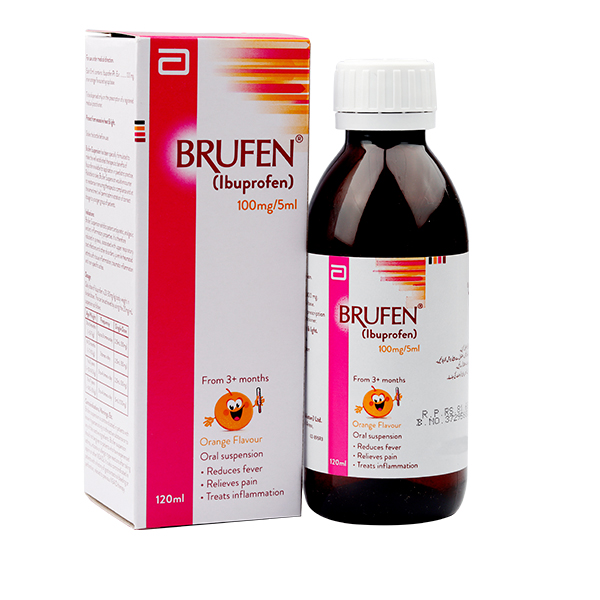
https://www.google.com/url?sa=i&url=https%3A%2F%2Fwww.dvago.pk%2Fp%2Fbrufen-syrup-90ml&psig=AOvVaw0aDHHE3ahCchiJhyopysOT&ust=1715503590485000&source=images&cd=vfe&opi=89978449&ved=0CBQQjhxqFwoTCMDu_oWbhYYDFQAAAAAdAAAAABAE

Brufen Syrup: Uses, How to Take It, and Side Effects

General Overview Brufen syrup helps relieve fever and pain. It contains ibuprofen, a nonsteroidal anti-inflammatory drug (NSAID). Ibuprofen blocks two enzymes called cyclooxygenase-1 (COX-1) and cyclooxygenase-2 (COX-2). These enzymes help the body make prostaglandins, which are chemicals that cause inflammation, fever, and pain. When the enzymes slow down, you feel less pain and your temperature drops. Doctors recommend this syrup to ease pain, bring down fever, and treat inflammation from conditions such as arthritis. Because it is a liquid, it is easy to give to children and to adults who cannot swallow tablets. Manufactured by: Abbott Ingredients The active ingredient is ibuprofen, an NSAID. Uses of Brufen Syrup How to Take Brufen Syrup Side Effects of Brufen Syrup Most people tolerate Brufen syrup well. Possible side effects include: Precautions Storage Instructions Disclaimer: This article is for information only. Do not treat it as a doctor’s advice or medical advice. Visit healthaea.com for more health-related articles.

Brufen Syrup: Uses, How to Take It, and Side Effects Read More »

AIDS

AIDS: Causes, Symptoms, Treatment, and Prevention

AIDS stands for acquired immunodeficiency syndrome. It is a serious, life-threatening condition. In this article, you will learn what causes AIDS, how it spreads, and how to prevent it. What Virus Causes AIDS? A virus called the human immunodeficiency virus (HIV) causes AIDS. HIV attacks the immune system, which protects your body from infections. AIDS is the final and most serious stage of HIV infection. How HIV Spreads HIV spreads through blood, semen, vaginal fluids, and breast milk. The main ways are: Symptoms of AIDS Symptoms may take years to appear. They fall into two stages. Early Stage: Immune Suppression In the early stage, people may have flu-like symptoms, such as fever, swollen lymph nodes, headache, skin rash, nausea, and chills. Late Stage: Immune Deficiency In the late stage, the immune system is too weak to fight germs. The patient gets many serious infections. Doctors call these opportunistic infections because they take advantage of weak immunity. Treatment of AIDS No cure for HIV or AIDS exists yet, but treatment works well. Doctors use antiretroviral therapy (ART), which combines several drugs, including protease inhibitors. These medicines keep the virus under control, protect the immune system, and help people live long, healthy lives. Doctors also treat infections and give supportive care. Prevention of AIDS FAQs What does AIDS stand for? AIDS stands for acquired immunodeficiency syndrome. What are the common symptoms? Common symptoms include fever, chills, nausea, and headache. Can people pass AIDS to others? Yes. HIV spreads from person to person through certain body fluids. Is AIDS curable? No. Medicines can control HIV, but they cannot remove it from the body. Can you get HIV from kissing or sharing food? No. HIV does not spread through kissing, hugging, or sharing food. It spreads only through specific body fluids. Disclaimer: This article is for information only. It is not medical advice. Please talk to your doctor about your own health.

AIDS: Causes, Symptoms, Treatment, and Prevention Read More »

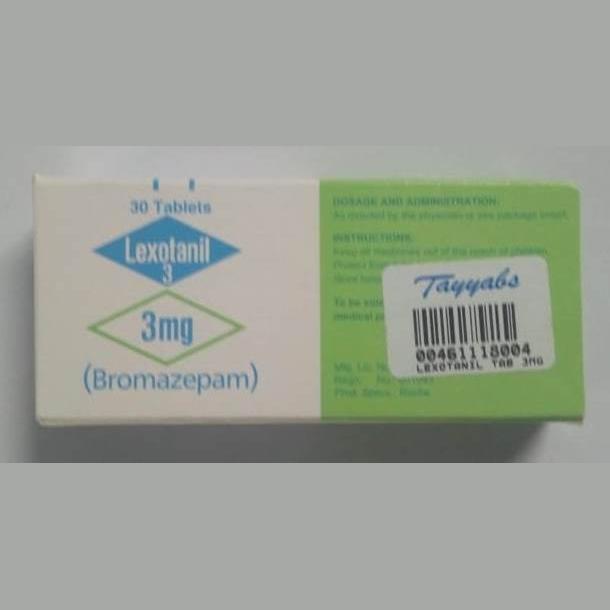
Lexotanil tablets

Lexotanil Tablets: Uses, Side Effects, and Safe Use

Lexotanil tablets help people with anxiety and insomnia. The tablets contain bromazepam, which is a benzodiazepine. In this article, you will learn what Lexotanil does, its side effects, and how to use it safely. How Do Doctors Prescribe Lexotanil? Doctors choose the dose of Lexotanil for each person. The dose depends on your age, your health, and how severe your symptoms are. Follow your doctor’s advice exactly. Never raise the dose or take it longer than prescribed, because this can lead to dependence. Uses of Lexotanil Tablets Anxiety Doctors prescribe Lexotanil to calm anxiety and help patients feel relaxed. Insomnia Doctors also prescribe it for insomnia, a condition that makes it hard to fall asleep or stay asleep. Side Effects of Lexotanil Tablets Every medicine can cause side effects. Know the possible ones before you start. Common Side Effects Rare and Serious Side Effects Precautions Talk openly with your doctor about how you feel while taking Lexotanil. Together you can find a plan that works for you. Disclaimer: This article is for information only. It is not medical advice. Please talk to your doctor about your own health. Visit healthaea.com for more health-related articles.

Lexotanil Tablets: Uses, Side Effects, and Safe Use Read More »

Down syndrome

Down Syndrome: Causes, Symptoms, and Support

Down syndrome is a genetic condition that affects how a person’s body and brain develop. In this article, you will learn what causes it, what signs to look for, and how people with Down syndrome receive care and support. What Is Down Syndrome? Down syndrome, also called trisomy 21, happens when a person has an extra copy of chromosome 21. Most people have 46 chromosomes, but a person with Down syndrome has 47. It is one of the most common chromosome conditions. About 1 baby in every 700 is born with it. What Is Trisomy 21? Trisomy 21 means a person has three copies of chromosome 21 instead of two. Causes of Down Syndrome Down syndrome happens when chromosome 21 fails to separate properly while an egg or sperm cell forms. This is called non-disjunction. The egg or sperm then carries an extra chromosome. When it joins a normal cell, the baby has 47 chromosomes. Mothers and fathers can both pass on a genetic translocation that leads to Down syndrome. The risk also rises as the mother gets older. Symptoms of Down Syndrome Common physical signs include: Many people with Down syndrome also have mild to moderate intellectual disability and may learn more slowly. Vision problems are common too. Treatment and Care Down syndrome has no cure, but early care helps people live full lives. Care may include: Health Problems Linked to Down Syndrome People with Down syndrome have a higher chance of: For more health-related articles, visit healthaea.com. Disclaimer: This article is for information only. It is not medical advice. Please talk to your doctor about your own health.

Down Syndrome: Causes, Symptoms, and Support Read More »

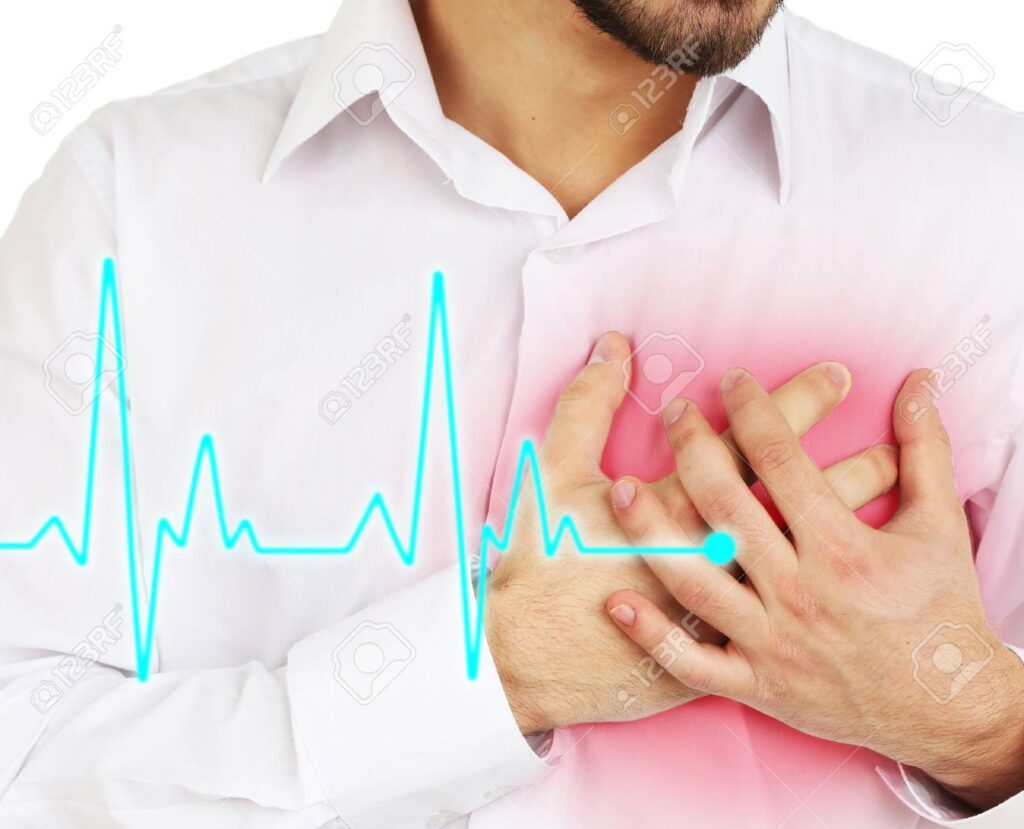
heart attack

Heart Attack: Causes, Warning Signs, and Prevention

A heart attack can happen to anyone, so it helps to know what it is. In this article, you will learn what causes a heart attack, how to spot the warning signs, and how to lower your risk. What Is a Heart Attack? A heart attack, also called a myocardial infarction, happens when blood cannot reach part of the heart. A blood clot usually blocks the flow. Without oxygen, the heart muscle starts to die. The longer the blockage lasts, the more damage it causes. Causes of a Heart Attack 1. Coronary Artery Disease (CAD) Plaque builds up inside the arteries that feed the heart. Over time, the arteries become narrow. If a plaque cracks, a clot can form and block the artery completely. 2. High Blood Pressure High blood pressure damages the artery walls. Damaged arteries are more likely to collect plaque and form clots. 3. Smoking Smoking raises your blood pressure and puts harmful chemicals into your blood. These chemicals help plaque grow faster. 4. Diabetes High blood sugar harms blood vessels and nerves over time. This raises the risk of a heart attack. 5. Other Risk Factors High cholesterol, obesity, lack of exercise, an unhealthy diet, and a family history of heart disease also raise your risk. Warning Signs of a Heart Attack Knowing the signs can save a life. Watch for: If you notice these signs, call emergency services right away. Do not drive yourself to the hospital. How to Prevent a Heart Attack 1. Eat a Healthy Diet Eat plenty of fruits, vegetables, whole grains, lean protein, and low-fat dairy. Limit saturated fat, trans fat, salt, and sugar. 2. Stay Active Regular exercise helps you keep a healthy weight, controls blood pressure, and strengthens your heart. 3. Quit Smoking Stopping smoking is one of the best things you can do for your heart. Ask your doctor about programs that can help. 4. Manage Stress Yoga, meditation, and deep breathing can help lower stress. 5. Take Your Medicines and Get Check-Ups If you have high blood pressure, diabetes, or high cholesterol, take your medicines and see your doctor regularly. Final Words Heart attacks are serious, but you can lower your risk. Learn the warning signs, make healthy choices, and act fast in an emergency. FAQs 1. Can young people have heart attacks? Yes, but it is less common. Genetics or other health problems can cause it. 2. Is a heart attack the same as cardiac arrest? No. A heart attack happens when blood flow to the heart is blocked. Cardiac arrest happens when the heart suddenly stops beating. 3. Can you prevent every heart attack? No, but a healthy lifestyle greatly lowers your risk. 4. How fast should I seek help? Right away. Every minute counts during a heart attack. 5. Do men and women have different symptoms? Yes. Women are more likely to have nausea, dizziness, and unusual tiredness along with chest discomfort. Visit healthaea.com for more health-related articles.

Heart Attack: Causes, Warning Signs, and Prevention Read More »

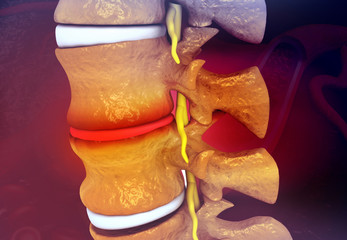
disc slip disease

Disc Slip Disease: Symptoms, Causes, Treatment, and Recovery

Back pain is a common problem in people of all ages. One major reason for back pain is disc slip disease, also called a slipped disc. This condition can cause pain in the back, neck, arms, or legs. In some cases, it can also cause numbness and weakness. To understand disc slip disease properly, we should first understand what a disc is, how it works, and what happens when it gets damaged. What Is a Disc? A disc is a soft pad made of cartilage that lies between two spine bones. These spine bones are called vertebrae. The spine is made of many vertebrae stacked on top of each other. Between each pair of vertebrae, there is a disc. This disc acts like a cushion and keeps the bones from rubbing against each other. A disc also helps the spine move smoothly and flexibly. Parts of a Disc A spinal disc has two main parts. Annulus Fibrosus (Outer Part) The annulus fibrosus is the strong outer layer of the disc. It is made of tough fibrous tissue. This outer part holds the disc together and protects the inner part. Nucleus Pulposus (Inner Part) The nucleus pulposus is the soft, jelly-like center of the disc. It contains water and gel material. This inner part gives the disc flexibility and helps it absorb pressure. Function of a Disc A disc performs many important functions in the body. It acts as a shock absorber during walking, running, jumping, and lifting. It supports body weight and reduces pressure on the spine. It helps the spine bend, twist, and move smoothly. It maintains proper space between vertebrae so nerves can function normally. It protects the spinal cord and nearby nerves from damage. Without discs, the spine would become stiff, painful, and weak. What Is Disc Slip Disease? Disc slip disease does not mean the disc slips out of place. In reality, disc slip happens when the outer ring, called annulus fibrosus, becomes weak or develops a crack. The inner jelly, called nucleus pulposus, pushes out through the crack. The leaked jelly presses on nearby nerves and this nerve pressure causes pain, numbness, and weakness. This condition is known as disc slip disease. It is also called a herniated disc, bulging disc, or ruptured disc. Where Does Disc Slip Disease Occur? Disc slip disease can occur in any part of the spine, but it mostly happens in the lower back, which is called the lumbar spine. This is the most common area because the lower back carries most body weight and faces daily stress. Disc slip can also occur in the neck, called the cervical spine. Disc slip in the neck can cause pain that spreads to the shoulders, arms, and hands. Disc slip in the upper back, called the thoracic spine, is rare because the upper back does not move much compared to the lower back and neck. Causes of Disc Slip Disease Disc slip disease happens when a disc becomes weak and cannot handle pressure. Aging is one of the main causes. As people grow older, discs lose water and become dry. A dry disc becomes less flexible and cracks easily. Loss of elasticity also increases risk because discs cannot absorb pressure properly. Disc degeneration is another cause, where the disc wears out due to repeated stress, poor posture, and daily pressure. Overweight and obesity increase pressure on the spine, especially in the lower back. Lifting heavy objects in the wrong way is also a major cause because it puts sudden force on the disc. Poor posture slowly damages the spine and increases disc stress. Sitting for long hours increases pressure on the lower spine and weakens discs. Sudden injury or accident can damage the disc quickly and cause rupture. Weak back and core muscles also increase pressure on discs. Smoking reduces oxygen and blood supply to discs and increases degeneration. Genetic factors also play a role because some people naturally have weaker discs. Symptoms of Disc Slip Disease Symptoms depend on which disc gets damaged and which nerve gets pressed. Back pain or neck pain is usually the first symptom. Pain may start suddenly or slowly. Pain that spreads to arms or legs is a major sign of nerve pressure. If the disc slip is in the lower back, pain may spread to the buttocks, thighs, legs, and feet. If the disc slip is in the neck, pain may spread to the shoulders, arms, and fingers. Many people also feel numbness, tingling, pins and needles sensation, or burning feeling. Disc slip can also cause muscle weakness, such as weak grip in hands or weakness in legs. Pain often increases during walking, running, bending forward, lifting objects, standing too long, or sitting too long. Coughing or sneezing can also increase pain because it increases pressure inside the spine. Sciatica is a common symptom of lower back disc slip. It causes pain that travels from the lower back down the leg. It may feel sharp, burning, or like an electric shock. Some people also experience stiffness and reduced movement in the back. Serious Symptoms (Emergency Warning Signs) Some symptoms require urgent medical help. You should go to a hospital immediately if you experience loss of bladder control, loss of bowel control, numbness in the private area, severe weakness in both legs, or inability to walk properly. These signs may indicate serious nerve damage. How Doctors Diagnose Disc Slip Disease Doctors diagnose disc slip disease by checking symptoms and performing tests. A physical examination helps doctors check spine movement, pain location, muscle strength, reflexes, and sensation in arms and legs. Doctors may also perform the straight leg raise test for sciatica. X-rays do not show discs clearly, but they help detect fractures, arthritis, and bone alignment problems. MRI is the most accurate test for disc slip disease because it shows disc bulge, rupture, nerve compression, and disc degeneration. CT scan can also show disc problems if MRI is not possible. Doctors may use nerve tests

Disc Slip Disease: Symptoms, Causes, Treatment, and Recovery Read More »

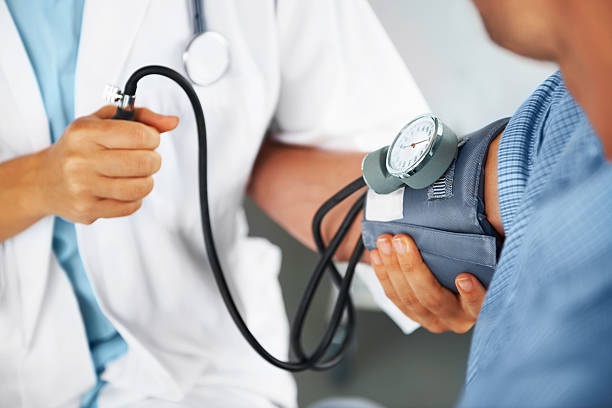
A doctor is checking the blood pressure of the patient

What Blood Pressure Is Normal? Ranges, Causes, and Control

In this article, you will learn what blood pressure is normal, what causes high blood pressure, and how you can control it. What Is Blood Pressure? Blood pressure is the force of blood against the walls of your blood vessels. A reading has two numbers: Doctors write the two numbers together, for example 120/80 mm Hg. What Blood Pressure Is Normal? A normal blood pressure for most adults is below 120/80 mm Hg. You measure it with a sphygmomanometer, which is a blood pressure monitor with an arm cuff. Your numbers tend to rise as you get older. Blood Pressure Ranges Always ask your doctor what range is right for you. Causes of High Blood Pressure Many things can raise your blood pressure. The most common are: Symptoms High blood pressure often has no symptoms, so check it regularly. When symptoms appear, they may include: Very high readings with chest pain, confusion, or severe headache need emergency care. Treatment You can control blood pressure with lifestyle changes, medicine, or both. Lifestyle Changes Change Your Diet Stay Active Exercise regularly, for example by walking briskly for 30 minutes most days, and keep a healthy weight. Medicine Doctors prescribe several types of medicine for high blood pressure. Diuretics and beta-blockers are among the most common. Take your medicine exactly as your doctor tells you. Why You Should Not Ignore High Blood Pressure If you do not treat high blood pressure, it can lead to: Thank you for reading! For more health-related articles, visit healthaea.com. Disclaimer: This article is for information only. It is not medical advice. Please talk to your doctor about your own health.

What Blood Pressure Is Normal? Ranges, Causes, and Control Read More »

A girl facing hair loss

How to Stop Hair Loss: 5 Simple Habits That Work

Hair loss can hurt your confidence and change how you look. So, is there any way to stop hair loss? Yes, there are several. In this article, you will learn five simple habits that can slow hair fall and help your hair grow back stronger. 5 Ways to Stop Hair Loss 1. Eat More Protein Hair is made mostly of protein, so low protein intake can slow hair growth. Vegetarians and vegans may need to pay extra attention to this. Many experts suggest about 40 to 60 grams of protein a day for most adults. Good sources include beans, lentils, eggs, fish, chicken, nuts, and Greek yogurt. 2. Take Vitamins and Minerals If You Need Them Vitamins A, B, C, D, and E, along with zinc and iron, all help your hair grow. Ask your doctor to check whether you lack any of them. Then take vitamins only if your doctor recommends them, because too much of some nutrients can also cause hair loss. 3. Follow a Mediterranean-Style Diet This way of eating focuses on fruits, vegetables, whole grains, olive oil, fish, and beans. It gives your body the nutrients that hair needs, and it works better than most fad diets. 4. Take Care of Your Hair and Scalp Avoid harsh treatments such as heat styling, hair dye, and bleach. Do not tie your hair in tight ponytails or braids, because the pulling can damage hair roots. Wash your hair and scalp regularly to keep your scalp clean and healthy. 5. Try Oil Massage Regularly Natural oils such as coconut oil and almond oil contain fatty acids and vitamins. They soften dry, frizzy hair and may reduce breakage. To use them: When to See a Doctor See a doctor if you lose hair suddenly, develop bald patches, or notice other symptoms such as tiredness or weight changes. Hair loss can have medical causes, such as thyroid problems or anemia, that need treatment. Disclaimer: This article is for information only. It is not medical advice. Please talk to your doctor about your own health.

How to Stop Hair Loss: 5 Simple Habits That Work Read More »

5 Natural Ways to Stop Hair Loss at Home

Hair loss troubles both women and men. In this post, you will find five natural ways to slow hair loss at home. You will also learn why hair falls out and when to see a doctor. Why Does Hair Fall Out? Losing 50 to 100 hairs a day is normal. You may have a problem if you lose much more than that. Common causes include stress, low iron or protein, hormone changes, thyroid problems, harsh hair products, and family history. 1st way to stop hair loss at home: Use neem leaves Neem leaves have antifungal and antibacterial properties. They can help remove dandruff, which may lead to hair fall. To use them, boil about 10 neem leaves in water, let the water cool, and rinse your hair with it. Do this once or twice a week. 2nd way to stop hair loss at home: Stay hydrated Drink six to eight glasses of water every day. Water keeps your body, including your scalp, healthy. Fruit juices such as orange and banana juice give you vitamins and minerals that support hair. Add eggs, lentils, nuts, and leafy greens to your meals too, because hair needs protein and iron to grow. 3rd way to stop hair loss at home: Apply aloe vera gel Aloe vera helps keep the scalp clean and balanced. Scoop the gel from a fresh leaf and massage it into your scalp and hair. Leave it on for 15 minutes, then wash it out with water. Test a small patch of skin first to make sure the gel does not cause a rash. 4th way to stop hair loss at home: Rinse with green tea Green tea is another natural option. It may support hair growth and help reduce hair fall. Here is how to use it: 5th way to stop hair loss at home: Manage your stress Stress can make your hair fall out. You cannot remove stress from your life, but you can keep it under control. Try walking, deep breathing, prayer or meditation, and enough sleep. Keeping stress low is one of the most effective ways to protect your hair. When Should You See a Doctor? Home remedies work slowly, and science has not proven all of them. See a doctor if you notice any of these signs: A doctor can check for causes such as low iron or a thyroid problem and suggest the right treatment.

5 Natural Ways to Stop Hair Loss at Home Read More »

gastritis disease photo

Gastritis: Causes, Symptoms, Types, and Treatment

In this article, you will learn what gastritis is, what causes it, which symptoms to watch for, and how doctors treat it. What is Gastritis? Gastritis means inflammation of the stomach lining. It can start suddenly (acute gastritis) or build up slowly over months or years (chronic gastritis). Mild cases often heal with simple changes. Untreated cases can lead to ulcers and bleeding, so it is important to take it seriously. Causes of Gastritis Several things can irritate or damage the stomach lining: What is H. pylori? Helicobacter pylori, once called Campylobacter pylori, is a spiral-shaped, gram-negative bacterium. It lives in the stomach and damages its protective layer. Many people carry it for years without knowing. Doctors can treat it with medicine. Common symptoms of Gastritis Some people with gastritis feel nothing at all. Others notice symptoms, and these vary with the type of gastritis. The most common ones are: When to see a doctor right away Get medical help quickly if you vomit blood, vomit material that looks like coffee grounds, or pass black, tarry stools. These signs mean your stomach may be bleeding. Also see a doctor if your symptoms last more than a week. Types How Doctors Diagnose Gastritis Your doctor may ask about your symptoms and the medicines you take. Then they may order one or more of these tests: Treatment Treatment depends on the cause. Your doctor may suggest: Tips to Prevent and Ease Gastritis Disclaimer: This article is for information only. It is not medical advice. Please talk to your doctor about your own health.

Gastritis: Causes, Symptoms, Types, and Treatment Read More »

Scroll to Top