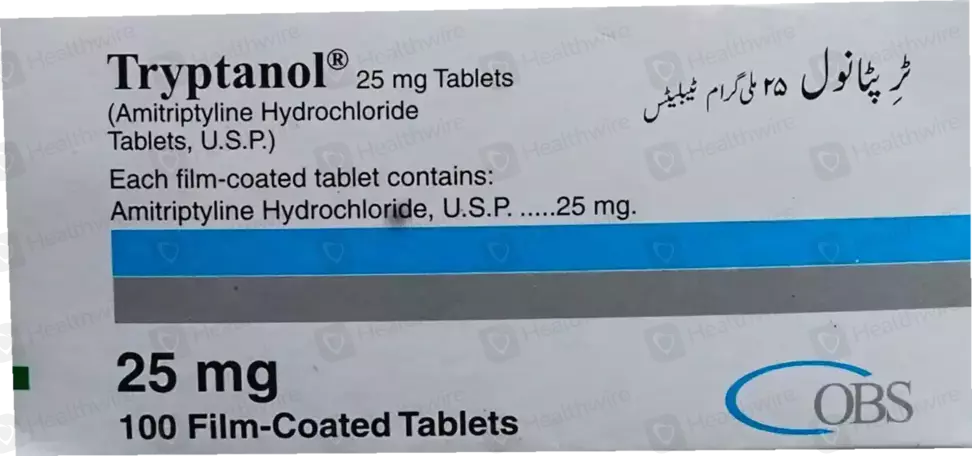
Tryptanol tablet mainly treats depression, but doctors use it for much more. It contains amitriptyline, which belongs to a group of medicines called tricyclic antidepressants (TCAs). Doctors developed these medicines before newer antidepressants such as SSRIs, and they are still valuable for several conditions. In this detailed guide, you will learn how amitriptyline works, what it treats, how to take it, its side effects and warnings, and which medicines it interacts with. What Is Tryptanol (Amitriptyline)? Amitriptyline is one of the oldest and most widely used antidepressants. Each tablet contains amitriptyline hydrochloride. Doctors have prescribed it since the 1960s. Today they often use low doses for pain, headaches, and sleep, and higher doses for depression. It is a prescription medicine, and you should take it only under medical supervision. How Does Tryptanol Work? Your brain uses chemical messengers called neurotransmitters to send signals between nerve cells. Serotonin and norepinephrine help control mood, sleep, and pain. After they deliver a message, nerve cells take them back up. Amitriptyline blocks this reuptake. More serotonin and norepinephrine stay available, which lifts mood and eases anxiety. The same chemicals also control pain signals along the spinal cord. This is why amitriptyline helps with nerve pain at much lower doses than those used for depression. Amitriptyline also blocks histamine and acetylcholine, which explains the sleepiness and dry mouth. Uses of Tryptanol Approved Uses Common Uses Prescribed by Doctors Many of these are off-label uses, which means doctors use them based on experience and research, but the medicine is not officially approved for them. Dosage of Tryptanol Your doctor sets the dose. The ranges below are for information only. How to Take Tryptanol How Long Does Tryptanol Take to Work? Side Effects of Tryptanol Common Side Effects Many of these effects improve after a few weeks. Serious Side Effects Get medical help right away if you notice: Overdose Warning Amitriptyline is dangerous in overdose. Too many tablets can cause serious heart rhythm problems, seizures, and coma. Keep the medicine in a safe place, away from children, and ask your doctor for small supplies if you or a family member feels very low. If someone takes too much, call emergency services right away. Drug Interactions Tell your doctor about every medicine and supplement you take. Important interactions include: Who Should Be Careful? Tell your doctor if you have: Use in Special Groups Driving and Daily Activities Tryptanol can make you drowsy and slow your reactions. Do not drive or use machines until you know how it affects you. Avoid alcohol. How to Stop Tryptanol Never stop it suddenly. Stopping quickly can cause nausea, headache, sleep problems, restlessness, and a return of symptoms. Your doctor will lower the dose slowly over weeks. Tryptanol Compared With SSRIs Doctors often pick SSRIs first for depression and amitriptyline when pain or sleep problems matter most. Tips to Manage Side Effects When to See a Doctor Call your doctor if your mood gets worse, you have thoughts of harming yourself, side effects are hard to bear, or you do not feel better after a few weeks. Monitoring During Treatment Your doctor will see you regularly while you take Tryptanol. At these visits, they may: Tell your doctor about any change in how you feel, even if it seems small. Lifestyle Habits That Support Treatment Medicine works best together with healthy habits: Getting Help for Depression Depression is a medical condition, not a weakness. Signs include low mood most of the day, loss of interest, tiredness, and changes in sleep or appetite that last for two weeks or more. If you ever feel that life is not worth living, contact your doctor, a trusted person, or your local emergency service right away. Treatment works, and most people recover. Frequently Asked Questions Is Tryptanol an antidepressant? Yes. It is a tricyclic antidepressant. Doctors also use it for pain, headaches, and sleep. Can I take Tryptanol for sleep? Doctors sometimes prescribe a low dose for sleep, but only under their guidance. Does Tryptanol cause weight gain? It can increase appetite and cause weight gain in some people. Is Tryptanol addictive? It is not addictive in the usual sense, but stopping suddenly can cause withdrawal symptoms. Can I drink alcohol with Tryptanol? No. Alcohol adds to drowsiness and can be dangerous. How long can I take Tryptanol? Doctors decide this. For depression, treatment usually continues for at least six months after you feel better. Disclaimer: This article is for information only. It is not medical advice. Please talk to your doctor about your own health.